Blog / Legal and Privacy
Legal and Privacy
Page 1 of 4
FERPA and Camera AI: When Footage Becomes an Education Record
Somewhere in every district deploying camera analytics, a privacy officer is asking the question that this article exists to answer: what does the ...
September 1, 2026
Document Review Training: Proving One Standard
The challenge, when it comes, is almost never that a reviewer was unqualified.
August 24, 2026
Compliance Training Tracking: What You Have to Prove
The question a regulator asks is narrower than the one most training programs are built to answer.
August 24, 2026

CLE Video: Delivering the Session, Proving the Credit
Recording the session is the easy half, and the hard half does not announce itself until roughly a year in.
August 24, 2026
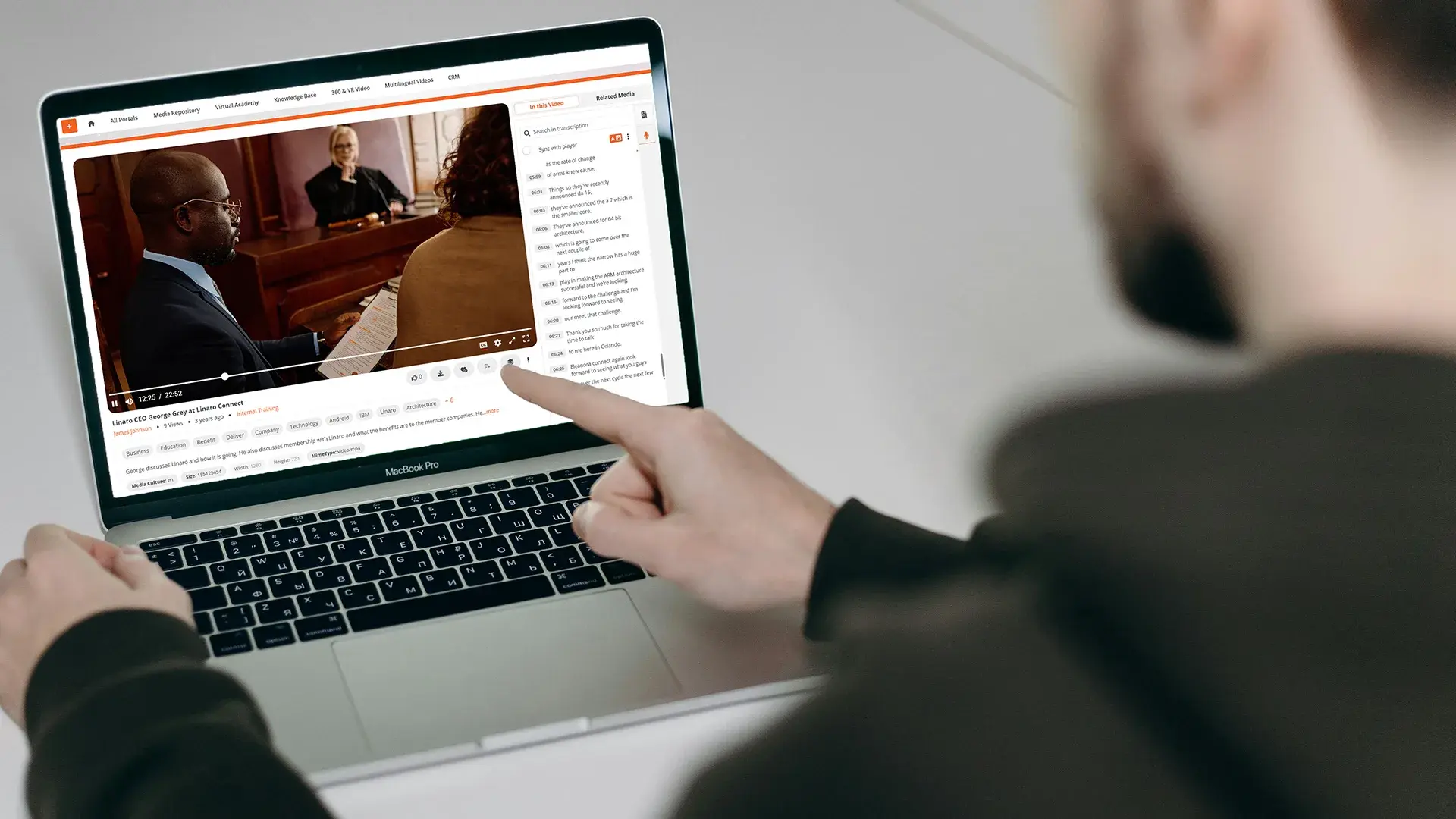
Litigation Video Review: Intake, Access and Purge
A matter produces nothing for months, then several hundred hours arrive inside two weeks because a production deadline landed. A dozen people who do ...
August 24, 2026
Legal Video Platform: What It Does for a Law Firm
A firm of two thousand attorneys running on Teams and Zoom produces hundreds of recordings a month without anyone deciding to. Client intake calls, ...
August 24, 2026
A Maturity Model for Court Digital Evidence: Foundational, Developing, Advanced
Budget conversations about court technology go badly when the ask is a product and well when the ask is a stage.
August 18, 2026
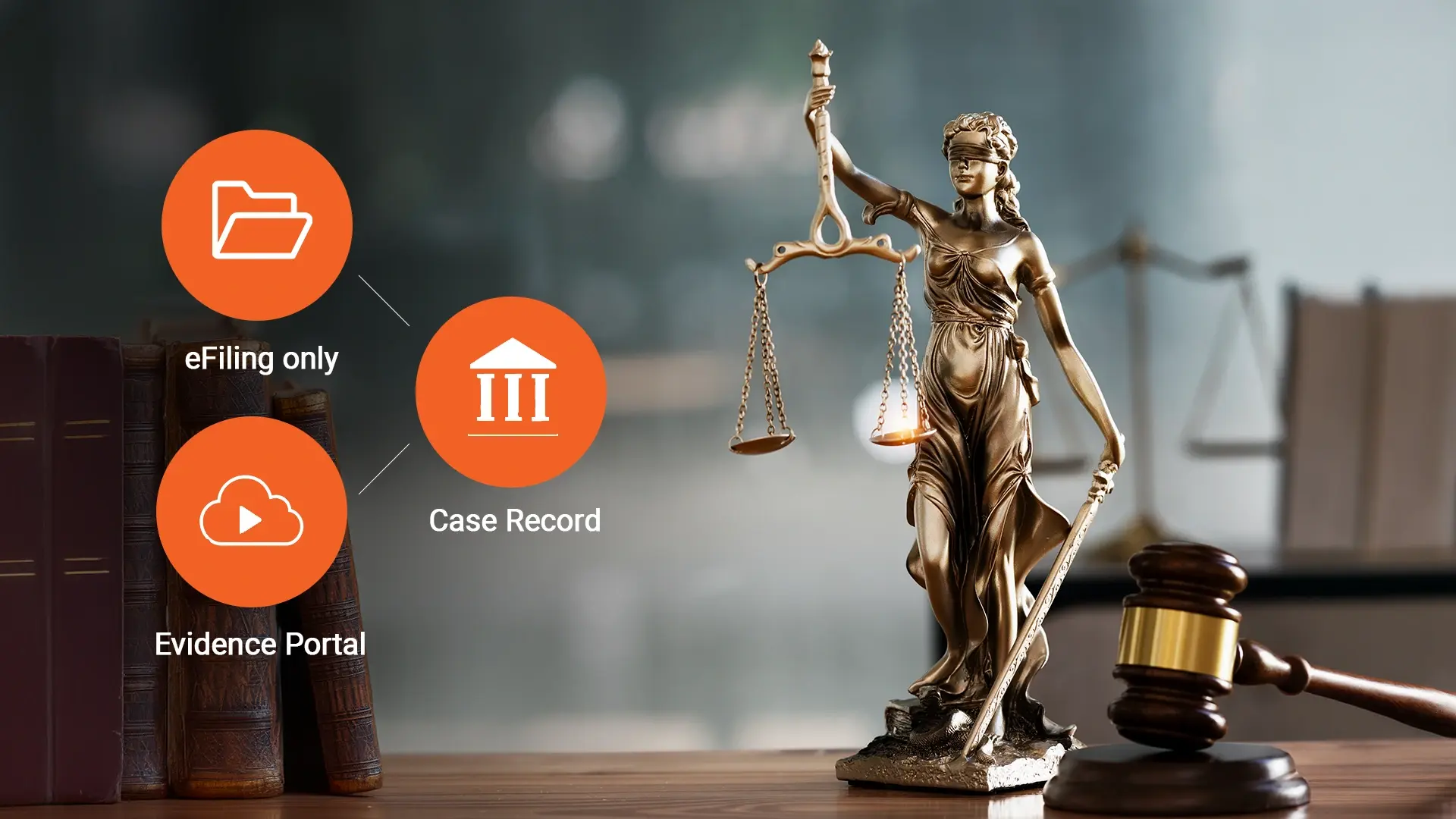
Online Evidence Portal or eFiling: Where Should Exhibits Actually Be Submitted?
Courts deciding where exhibits should be submitted are choosing between an online evidence portal for court exhibits and the eFiling route they ...
August 18, 2026
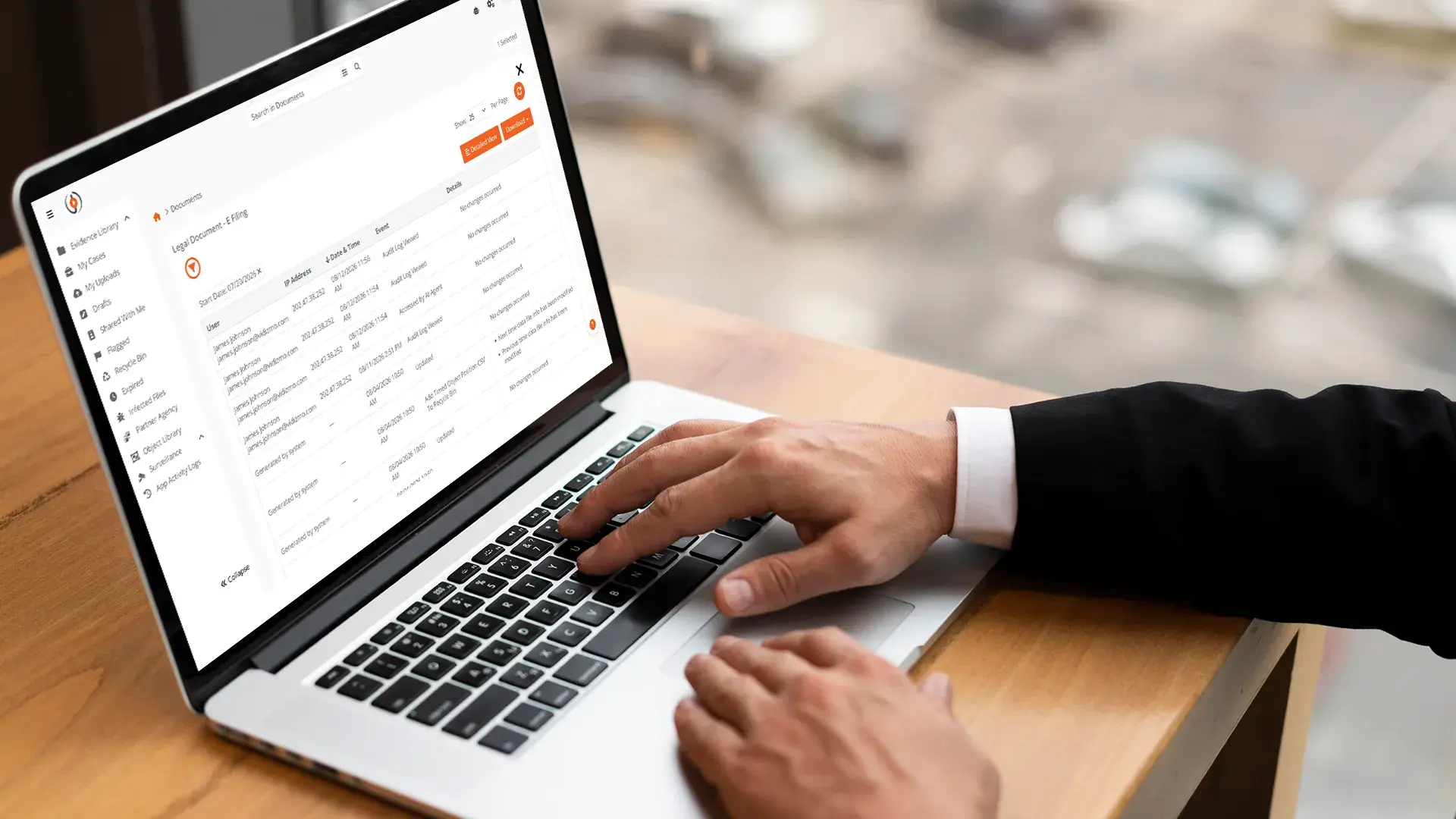
Court Digital Evidence Management: Exhibits, Filings, and the Record
Most guidance on digital evidence was written for the people who collect it. Search for advice and you will find material about body-worn camera ...
August 18, 2026
From Filing to Docket: Automating the Intake a Clerk Does by Hand
Between a filing arriving and appearing on the docket sits a person doing four things. Reading the document to work out what it is. Deciding which ...
August 18, 2026
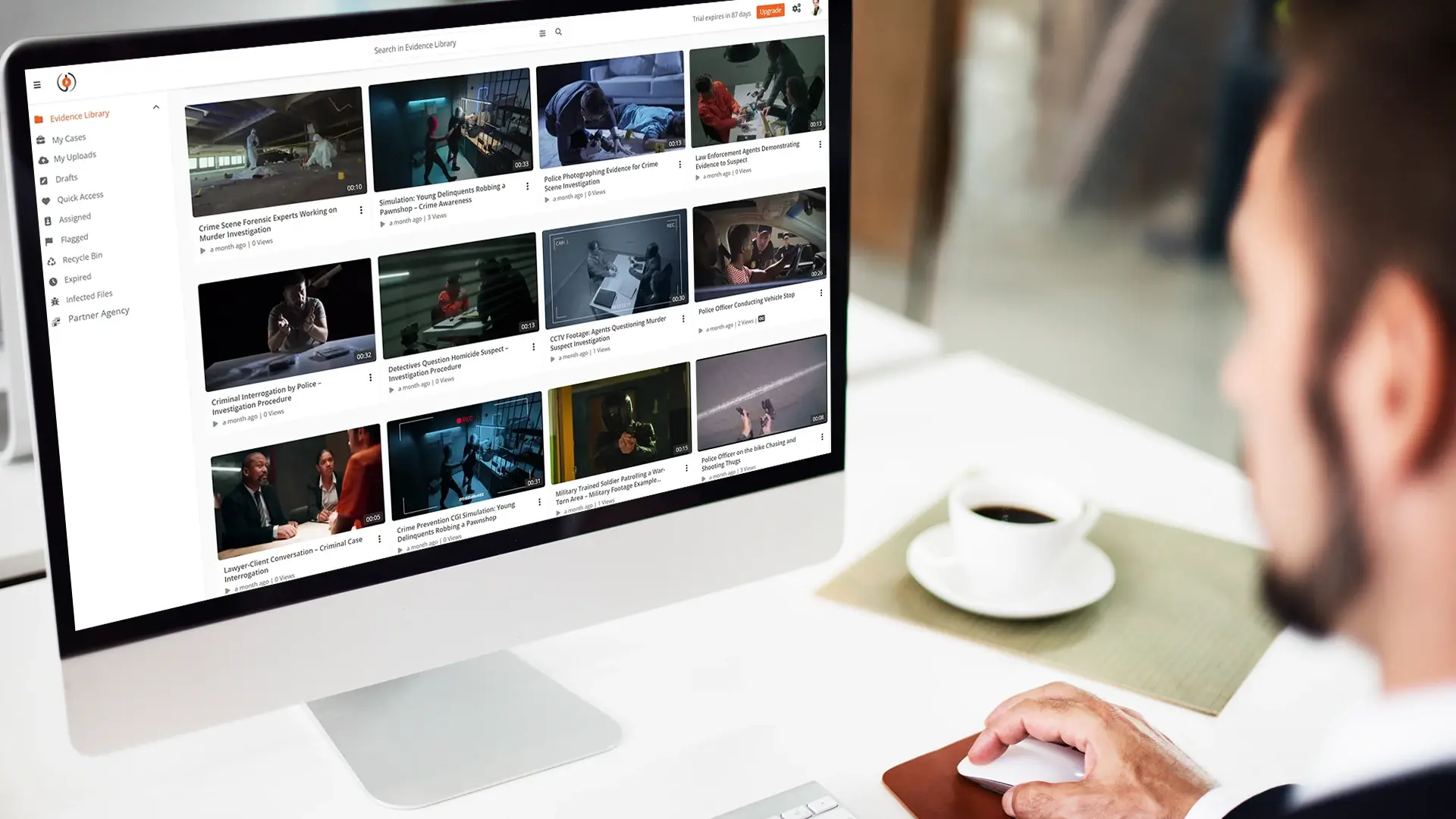
Self-Represented Litigants and Digital Evidence: Designing for the Unrepresented
Nearly every rule, guide, and system a court uses for evidence assumes the person submitting it is a lawyer. Self-represented litigant evidence ...
August 18, 2026
Sealing, Protective Orders, and Tiered Access to Court Records
Most systems model access as a binary. A person can see a case or they cannot. Sealed court records access control does not work that way, and the ...
August 18, 2026
Giving Jurors Access to Admitted Evidence in Deliberation
Jury access to evidence in deliberation is a narrow technical problem wrapped around a firm legal principle. The principle is that jurors decide on ...
August 18, 2026
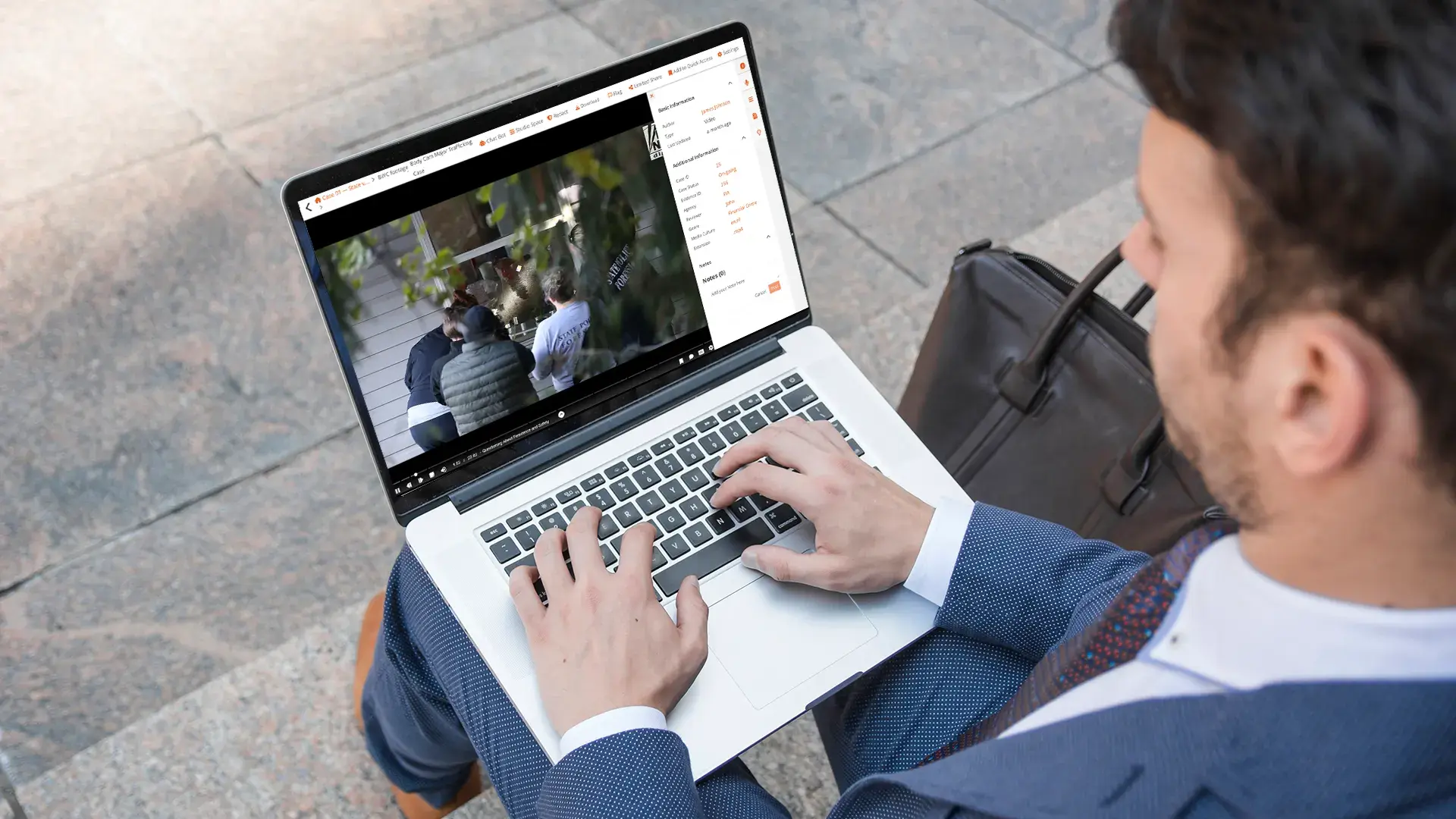
The Judicial Viewer: How Judges Review Digital Evidence Before and During a Hearing
Give a judge a login to the evidence system and you have solved an access problem while leaving a usability problem. A judicial viewer for digital ...
August 18, 2026
AI Tools for Judges: What Belongs on the Bench and What Does Not
Judges are already using AI. A Northwestern University study of 502 sampled federal judges found more than 60 percent of the 112 who responded had ...
August 18, 2026

AI Drafting Support and the Review Gate
AI drafting rulings in courts has moved from hypothetical to deployed faster than the governance around it. Products that distil motions and produce ...
August 18, 2026
From Search to Analysis: Working a Case File Without Reading Every Page
AI case analysis for judges is easiest to understand as a spectrum with a hard stop at one end. At the near end is search, which nobody objects to. ...
August 18, 2026
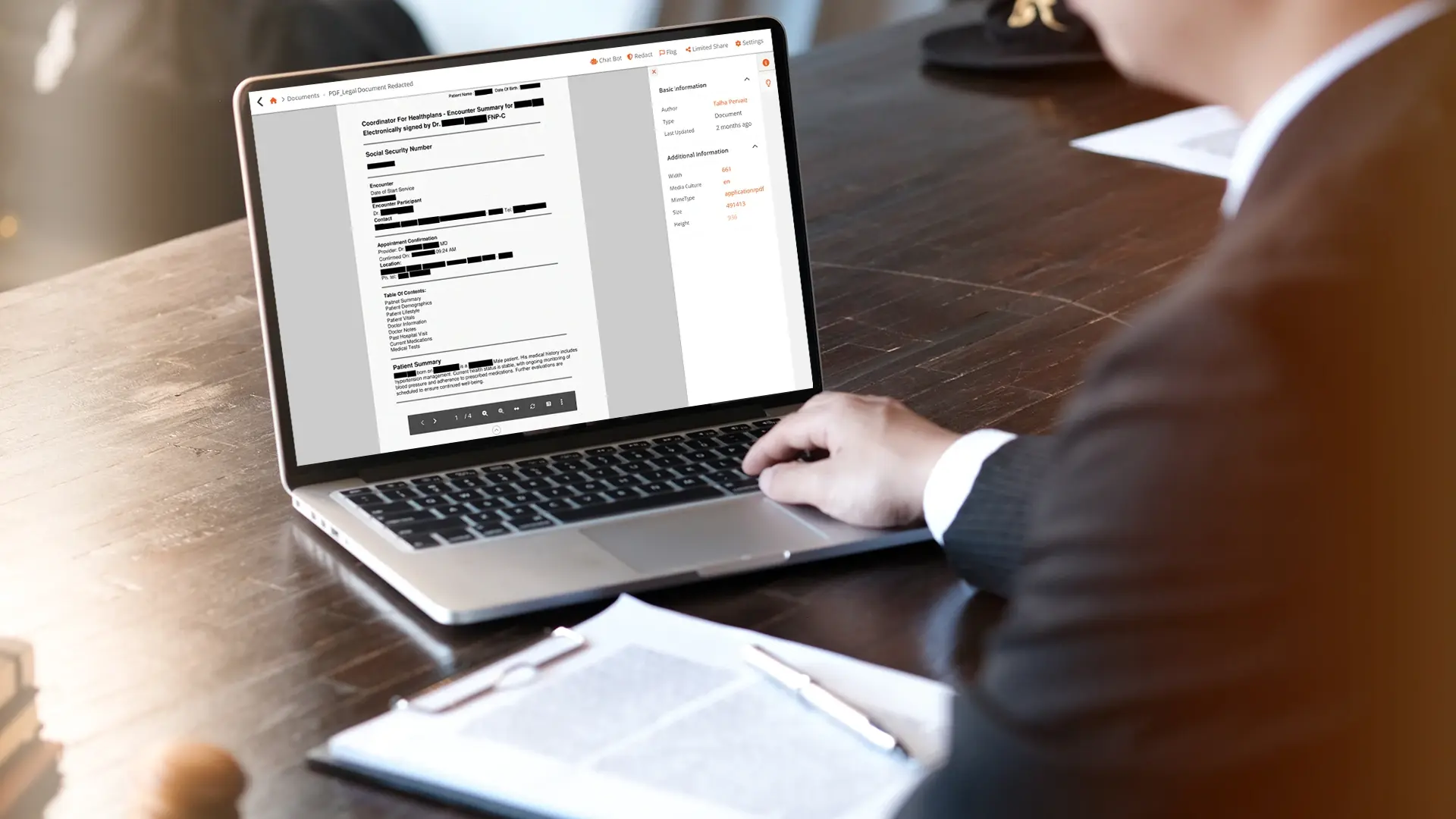
Anonymizing Judgments Before Publication
Two obligations sit on European courts at once, and they point in opposite directions.
August 18, 2026