Blog / Digital Evidence Management
Digital Evidence Management
Page 1 of 5
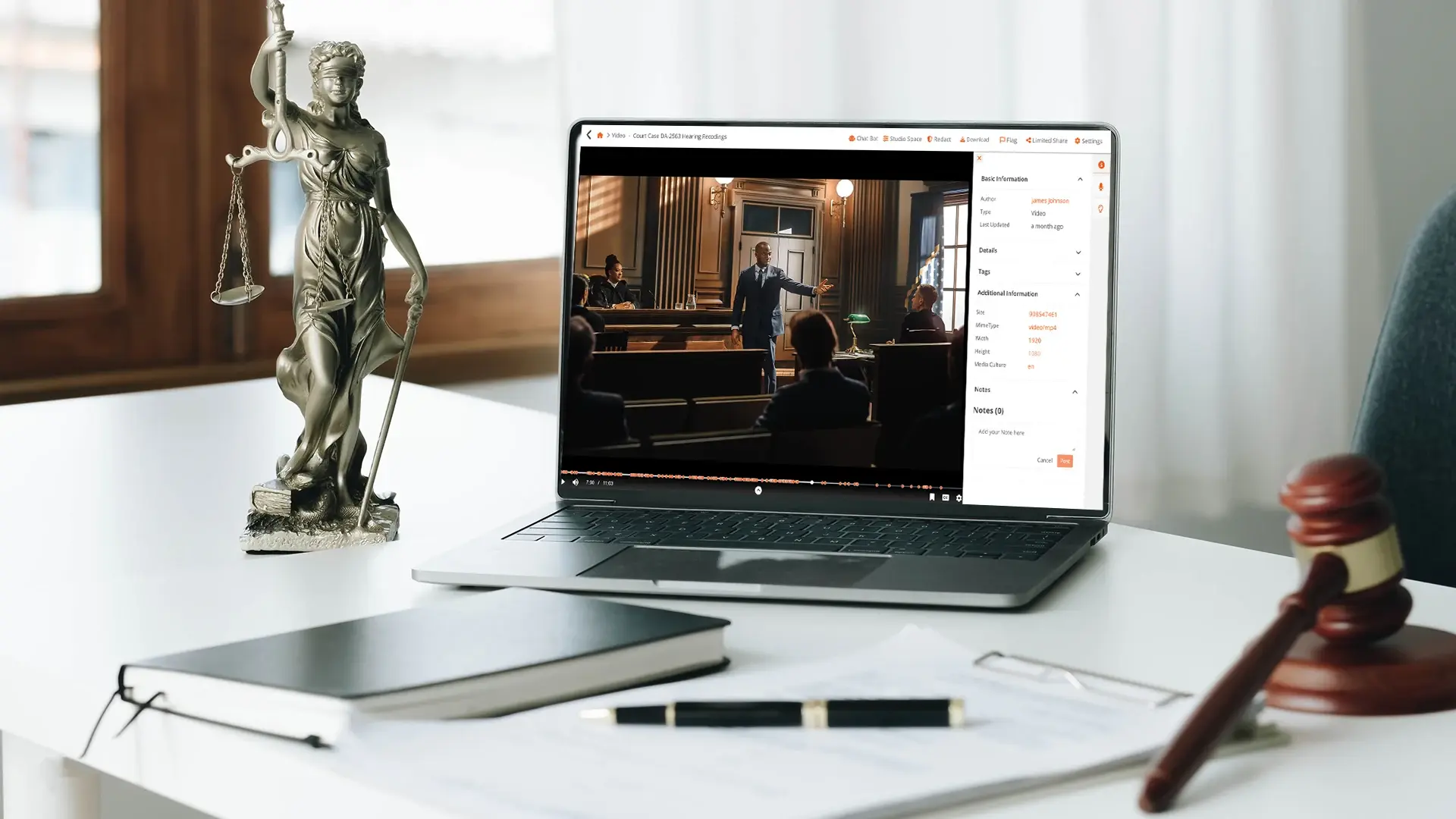
Making a Digital Recording the Official Record
Most guidance about digital court recording assumes the argument is over. It describes microphones, channels, transcription accuracy and retention, ...
August 19, 2026
A Maturity Model for Court Digital Evidence: Foundational, Developing, Advanced
Budget conversations about court technology go badly when the ask is a product and well when the ask is a stage.
August 18, 2026
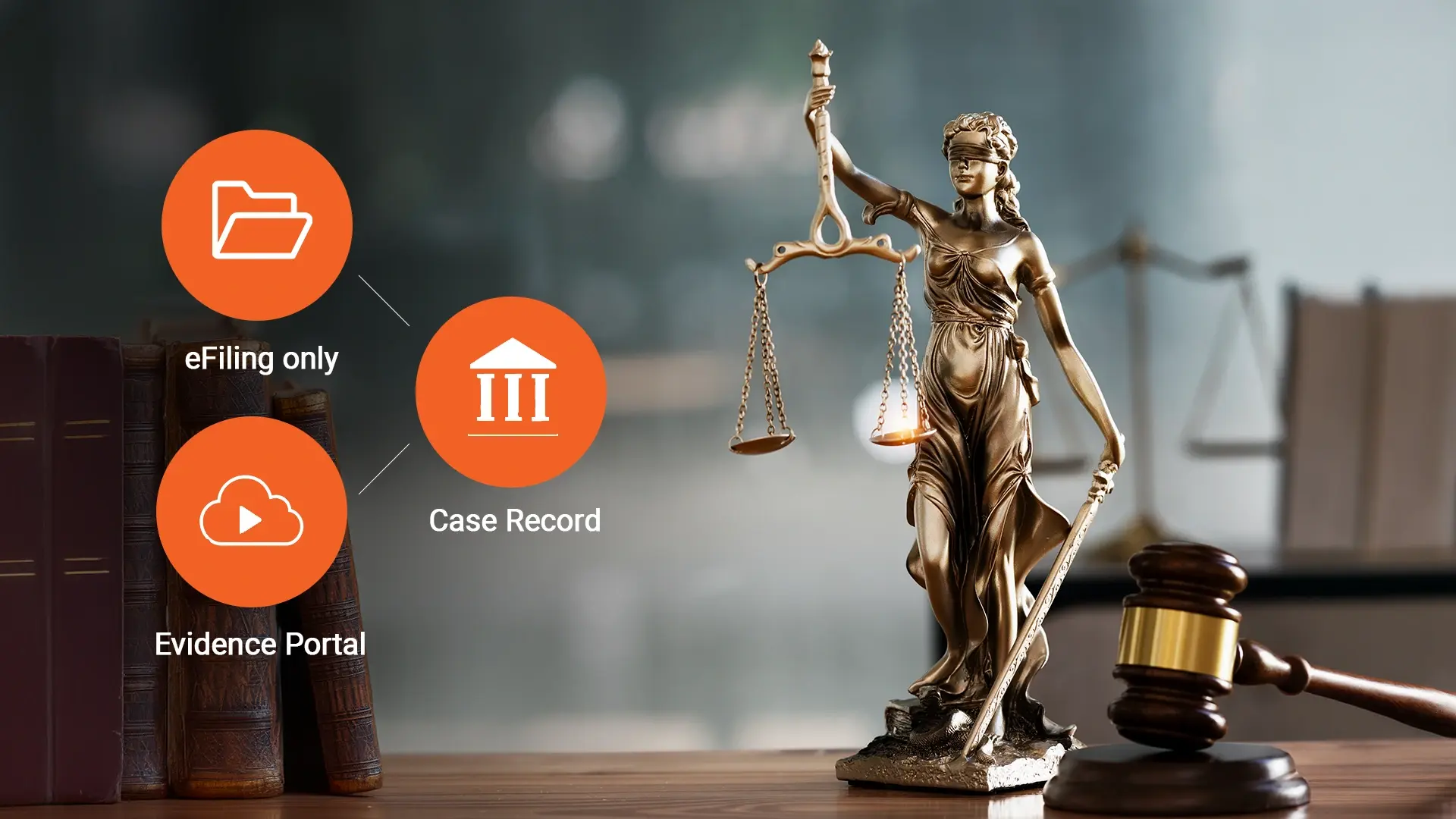
Online Evidence Portal or eFiling: Where Should Exhibits Actually Be Submitted?
Courts deciding where exhibits should be submitted are choosing between an online evidence portal for court exhibits and the eFiling route they ...
August 18, 2026
Integrating an Evidence System With the Court Case Management System
Ask a court clerk where the day goes and a large share of the answer is retyping. The case number exists in the case management system. It gets typed ...
August 18, 2026

Writing Digital Evidence Requirements a Court Can Actually Procure Against
Digital Evidence Management procurement in courts has a recognizable failure pattern. Read enough court solicitations and it appears every time. The ...
August 18, 2026

Court Digital Evidence Management: Exhibits, Filings, and the Record
Most guidance on digital evidence was written for the people who collect it. Search for advice and you will find material about body-worn camera ...
August 18, 2026

Self-Represented Litigants and Digital Evidence: Designing for the Unrepresented
Nearly every rule, guide, and system a court uses for evidence assumes the person submitting it is a lawyer. Self-represented litigant evidence ...
August 18, 2026

Sealing, Protective Orders, and Tiered Access to Court Records
Most systems model access as a binary. A person can see a case or they cannot. Sealed court records access control does not work that way, and the ...
August 18, 2026
Giving Jurors Access to Admitted Evidence in Deliberation
Jury access to evidence in deliberation is a narrow technical problem wrapped around a firm legal principle. The principle is that jurors decide on ...
August 18, 2026

Digital Court Recording: The Half You Have to Budget For
The people who produced the verbatim record are leaving faster than they can be replaced. The US stenographer workforce has fallen roughly 21 percent ...
August 18, 2026

The Judicial Viewer: How Judges Review Digital Evidence Before and During a Hearing
Give a judge a login to the evidence system and you have solved an access problem while leaving a usability problem. A judicial viewer for digital ...
August 18, 2026

Statewide and National Digital Evidence Repositories: What It Takes to Run One
A county evidence system has one owner. A statewide repository has several, none of whom report to each other, and that single structural difference ...
August 18, 2026

The Digital Exhibit Lifecycle: Marking, Offering, Admitting, and the Exhibit List
Police manage evidence. Courts manage exhibits. The difference between those two sentences is the act of admission, and it is the reason digital ...
August 18, 2026

Data Ownership, Portability, and Avoiding Vendor Lock-In in Court Systems
The court owns its record. Everyone agrees with that sentence, and it settles almost nothing about court data portability or vendor lock-in.
August 18, 2026
Remote and Hybrid Hearings: Evidence, the Record, and Public Access
Courts adopted remote hearings under emergency conditions and then discovered they were not going back. Judges who moved to remote appearances have ...
August 18, 2026
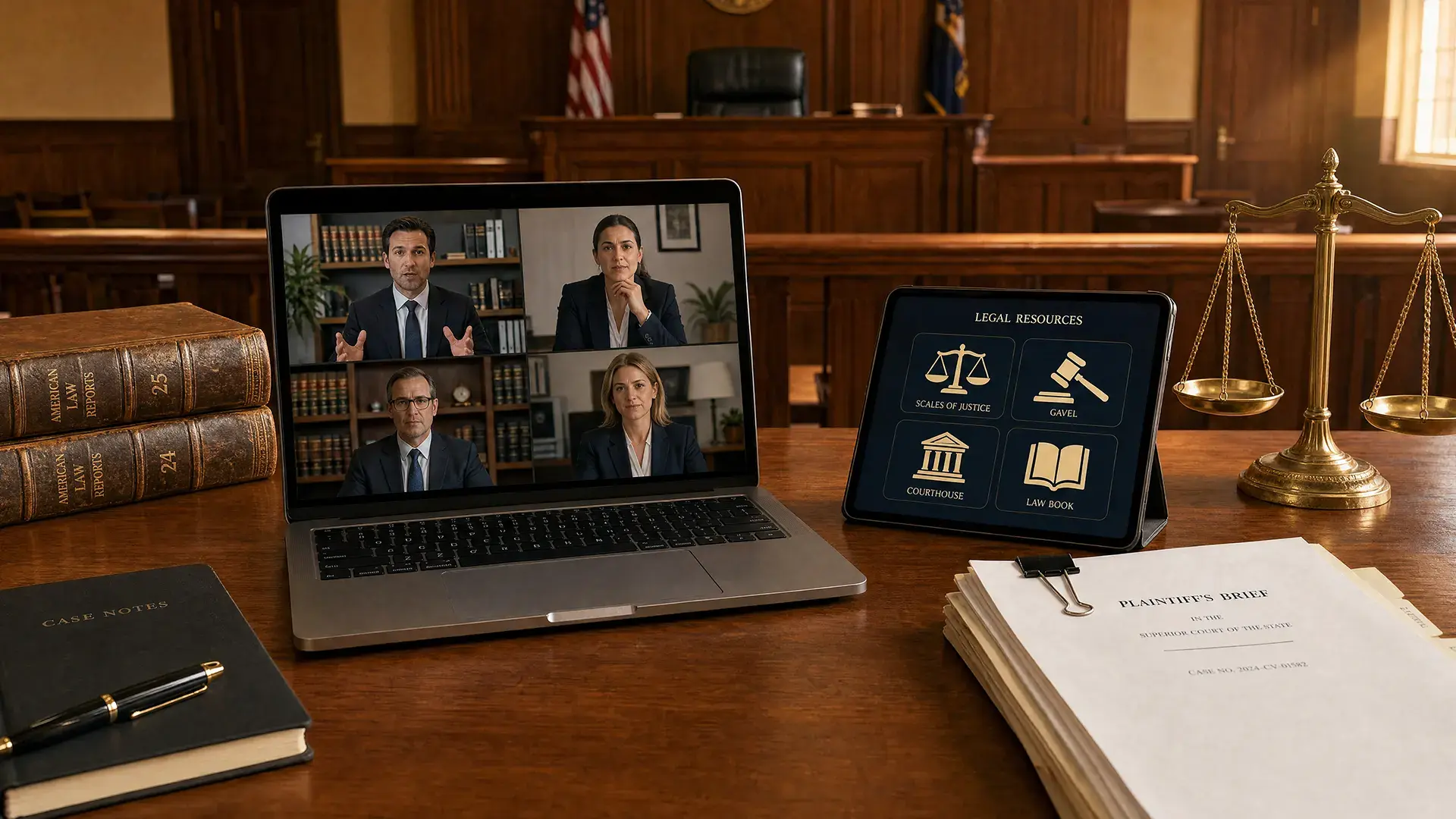
Exhibits in a Virtual Hearing: Access, Control, and the Record
Courts worrying about presenting evidence in a virtual hearing usually frame it as a conferencing problem. It rarely is. Teams, Zoom, and Webex all ...
August 18, 2026

Language Access in the Courts: Transcription and Translation Obligations
A court has to be understood by the people appearing in front of it, and it has to produce an accurate record of what was said. When a hearing runs ...
August 18, 2026
Procuring Court Technology Through International Frameworks
A judiciary running a donor-funded modernization program frequently does not sign the contract for the technology it will use. Court technology ...
August 18, 2026