Blog
VIDIZMO articles on how enterprise AI and video data help organizations across industries turn recordings into usable insights.
Page 4 of 22
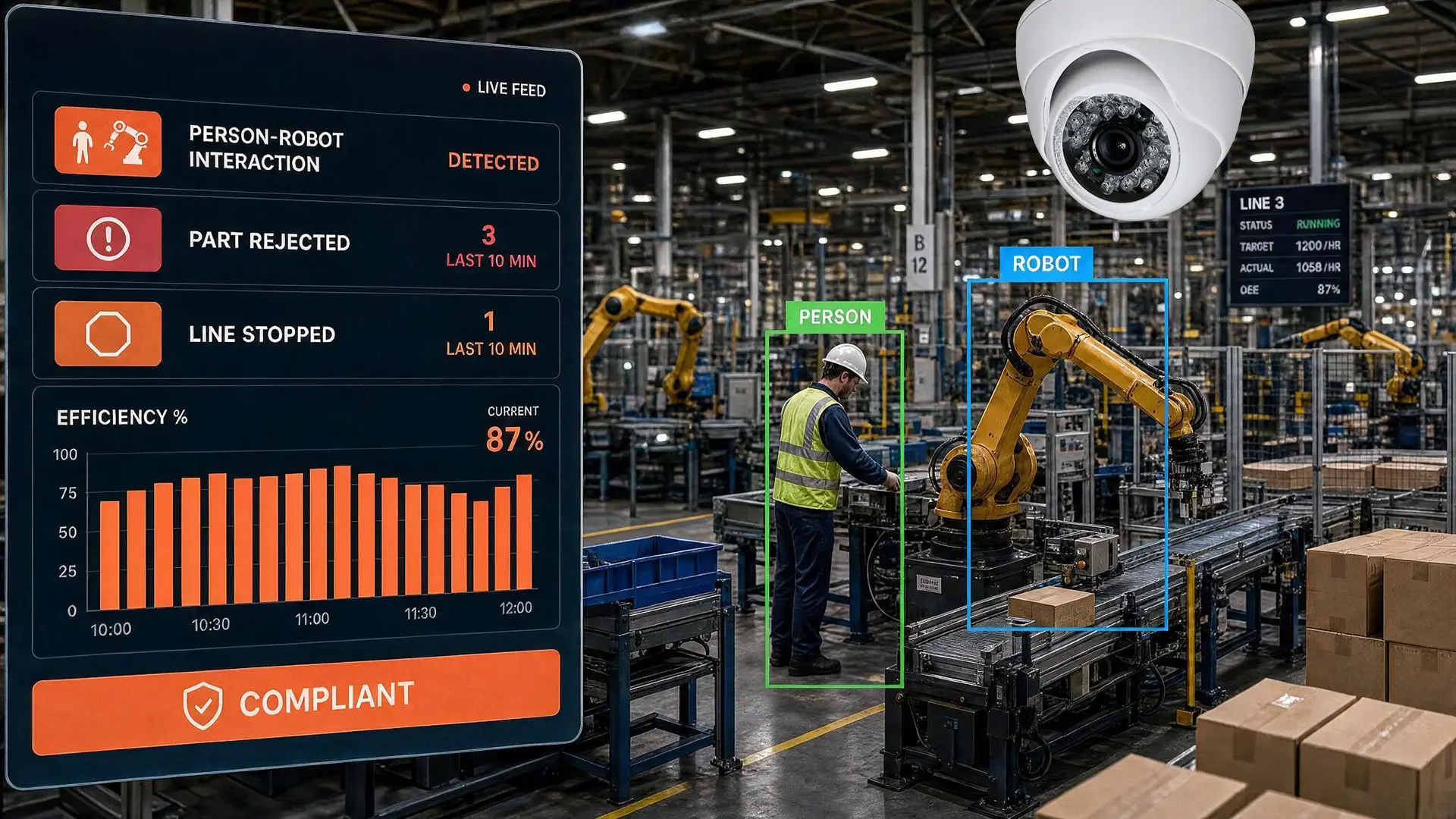
Connecting Video AI to MES, SCADA and Your Maintenance System
Every monitoring technology eventually faces the question that decides whether it becomes infrastructure or remains an island: how does it talk to ...
September 1, 2026
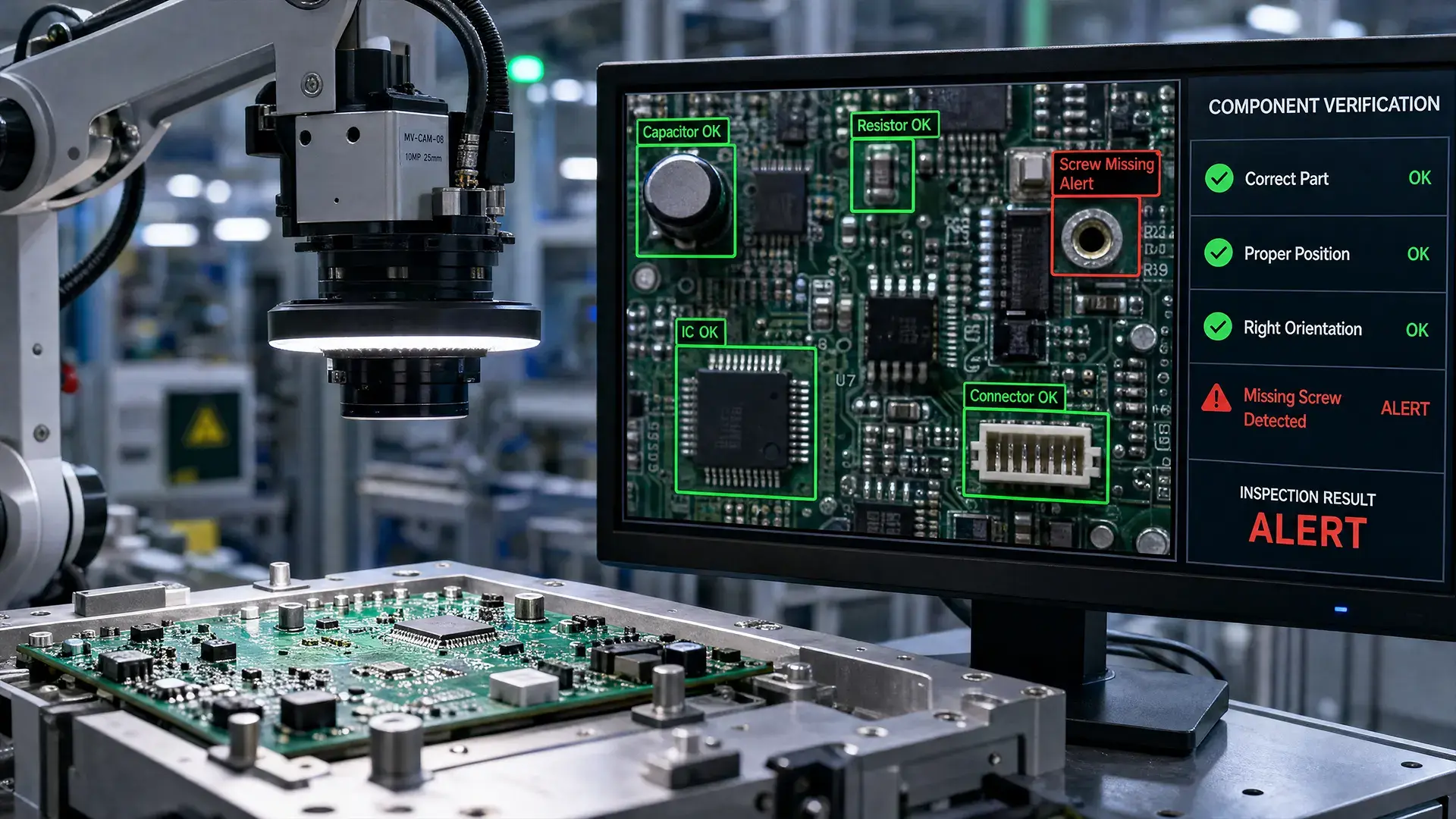
Assembly Verification and Missing-Component Checks
The defects that embarrass a manufacturer most are rarely the exotic ones. They are the absences: the fastener that never went in, the gasket that ...
September 1, 2026
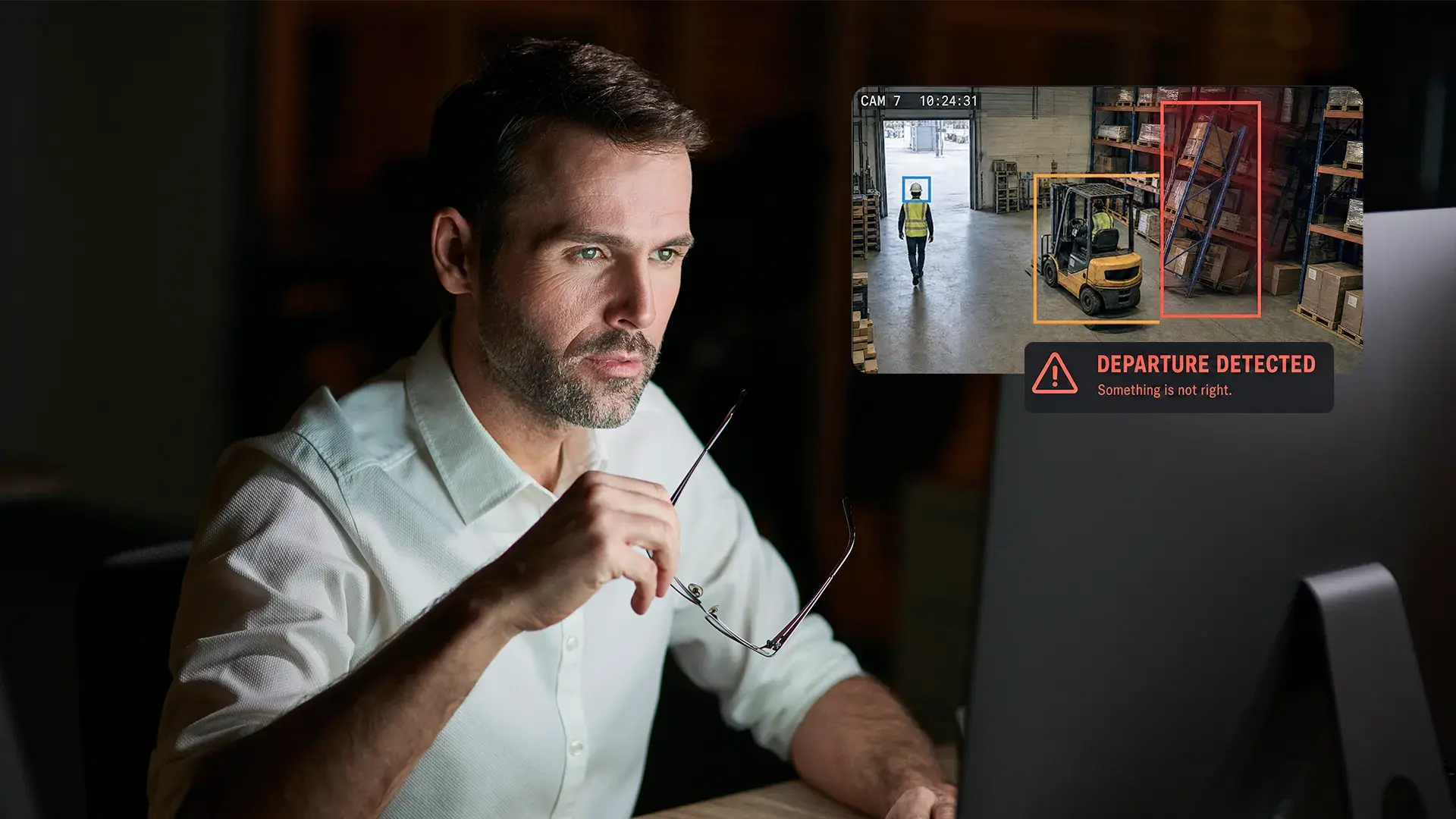
Anomaly Detection Without a Preset List
Ask a veteran shift supervisor how they knew something was wrong, on the night they caught the problem everyone still talks about, and the answer is ...
September 1, 2026

Agentic AI for Manufacturing Investigations
Strip the vocabulary away and an investigation is a procedure: something happened, so gather what is known about it, from the systems that know, in a ...
September 1, 2026

Document Review Training: Proving One Standard
The challenge, when it comes, is almost never that a reviewer was unqualified.
August 24, 2026

Compliance Training Tracking: What You Have to Prove
The question a regulator asks is narrower than the one most training programs are built to answer.
August 24, 2026

CLE Video: Delivering the Session, Proving the Credit
Recording the session is the easy half, and the hard half does not announce itself until roughly a year in.
August 24, 2026
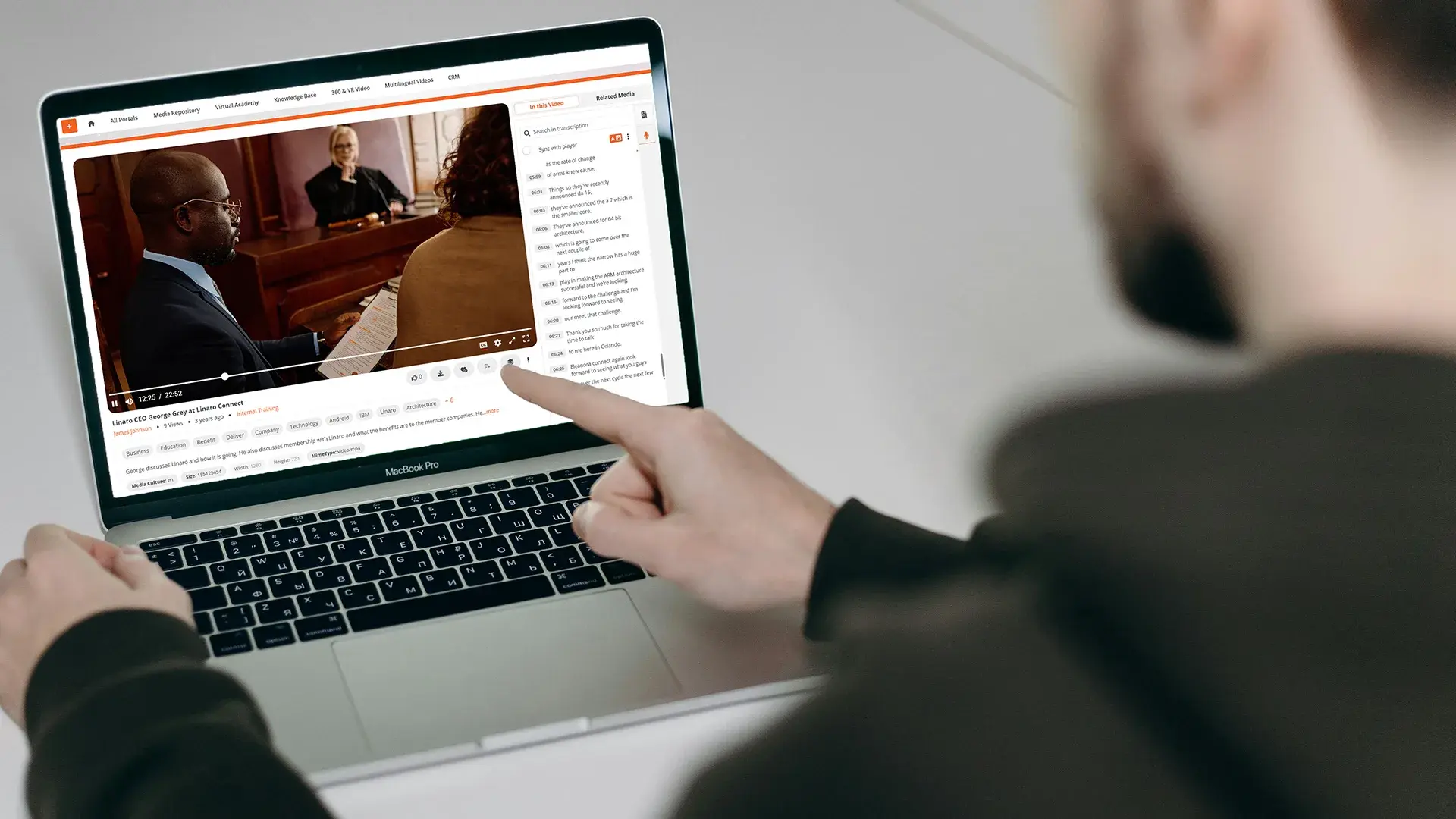
Litigation Video Review: Intake, Access and Purge
A matter produces nothing for months, then several hundred hours arrive inside two weeks because a production deadline landed. A dozen people who do ...
August 24, 2026

Streaming a Law Firm Town Hall Across Global Offices
The first law firm town hall streamed to every office usually goes badly in a way nobody predicted, and the postmortem blames the wrong thing.
August 24, 2026

Law Firm Intranet Video: What Actually Changes
Most firms do not decide to put video on the intranet. They decide to put one video on the intranet, usually a recorded town hall, and discover over ...
August 24, 2026
Legal Video Platform: What It Does for a Law Firm
A firm of two thousand attorneys running on Teams and Zoom produces hundreds of recordings a month without anyone deciding to. Client intake calls, ...
August 24, 2026
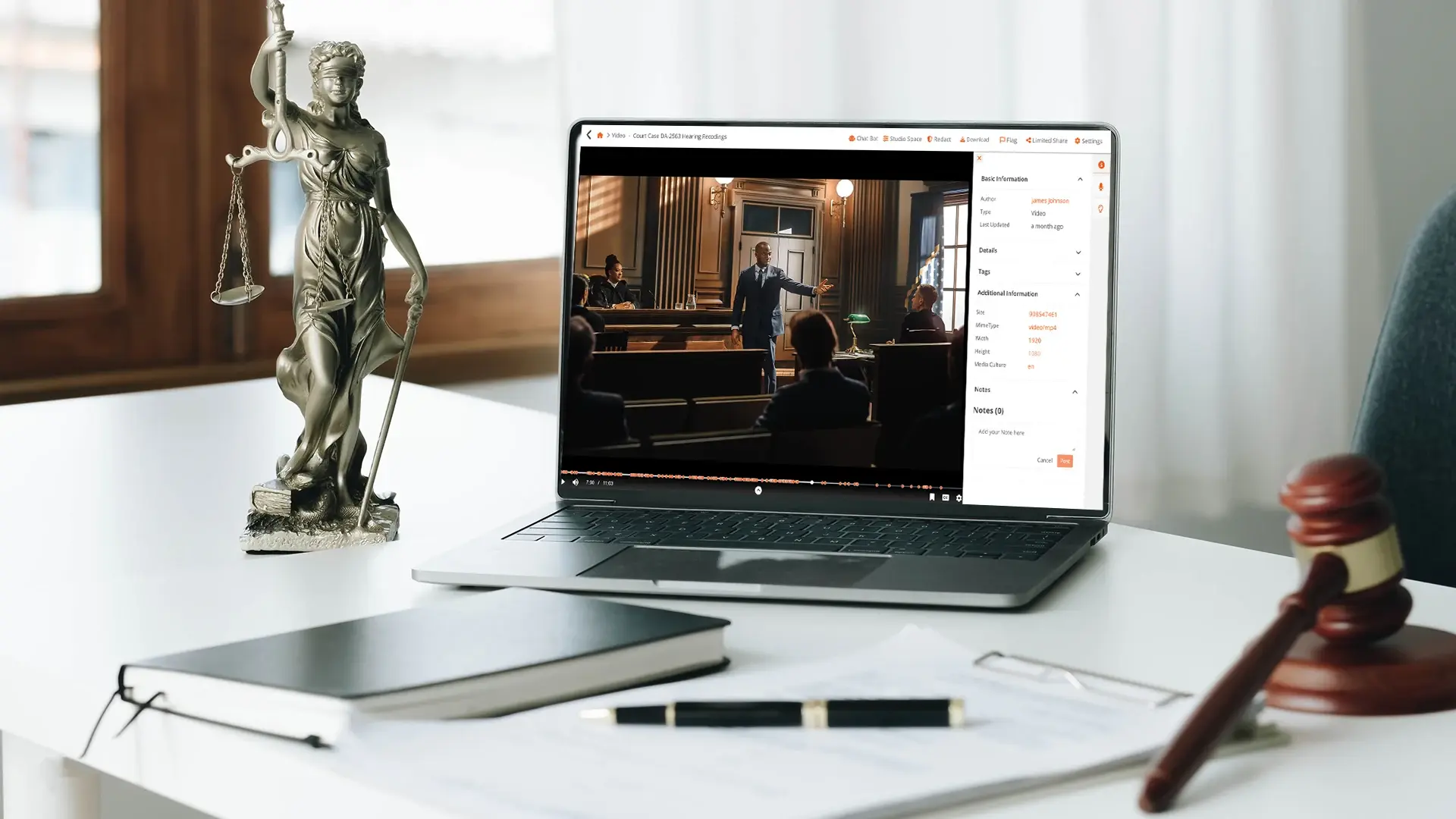
Making a Digital Recording the Official Record
Most guidance about digital court recording assumes the argument is over. It describes microphones, channels, transcription accuracy and retention, ...
August 19, 2026

A Maturity Model for Court Digital Evidence: Foundational, Developing, Advanced
Budget conversations about court technology go badly when the ask is a product and well when the ask is a stage.
August 18, 2026

Online Evidence Portal or eFiling: Where Should Exhibits Actually Be Submitted?
Courts deciding where exhibits should be submitted are choosing between an online evidence portal for court exhibits and the eFiling route they ...
August 18, 2026
Integrating an Evidence System With the Court Case Management System
Ask a court clerk where the day goes and a large share of the answer is retyping. The case number exists in the case management system. It gets typed ...
August 18, 2026

Writing Digital Evidence Requirements a Court Can Actually Procure Against
Digital Evidence Management procurement in courts has a recognizable failure pattern. Read enough court solicitations and it appears every time. The ...
August 18, 2026

Court Digital Evidence Management: Exhibits, Filings, and the Record
Most guidance on digital evidence was written for the people who collect it. Search for advice and you will find material about body-worn camera ...
August 18, 2026

From Filing to Docket: Automating the Intake a Clerk Does by Hand
Between a filing arriving and appearing on the docket sits a person doing four things. Reading the document to work out what it is. Deciding which ...
August 18, 2026