Blog / Farooq Khan

Farooq Khan
Farooq Khan is the co-founder and CTO of VIDIZMO, where he leads the engineering, product, and AI strategy behind its platform for making sense of unstructured media. He builds applied and generative AI that turns organizations' video, audio, images, and documents into searchable, governed, and usable intelligence at enterprise scale. Over the past 20 years, he has built systems that capture, scale, and now understand media, from voice logging platforms to large scale commerce to VIDIZMO's AI platform. He leads the product team that builds every VIDIZMO product, including Redactor, AI Intelligence Hub, AI Live Insight and the platform they all run on.
Page 1 of 2

What CJIS Actually Requires When AI Touches Criminal Justice Data
The CJIS Security Policy does not use the word AI. No section tells you whether a transcription model, a retrieval pipeline or a case-summarization ...
August 12, 2026

The Security Questionnaire: What to Ask Any AI Vendor
Most AI vendor security questionnaires are a SaaS questionnaire from several years ago with the word AI added to the header. They ask about ...
August 12, 2026

Sovereign AI Compliance Architecture: CJIS, FedRAMP, and Air-Gapped
Designing an AI system to a named authorization is a different exercise from designing it securely. Security engineering asks what the sensible ...
August 12, 2026

National Sovereign AI Programs and What They Mean for Your Organization
Sovereign AI, in the sense governments use the term, describes a country's ability to develop and operate artificial intelligence without depending ...
August 12, 2026

Running LLMs On-Premises: The Realities Nobody Advertises
Running an LLM on hardware you own takes about ten minutes. Download an open-weight model, start a runtime, send a prompt, watch the tokens arrive. ...
August 12, 2026

Model Portability: Keeping the Ability to Change Your Mind About AI
Ask whether you could move off your current AI provider and the answer is more encouraging than the question expects. Swapping which model answers a ...
August 12, 2026
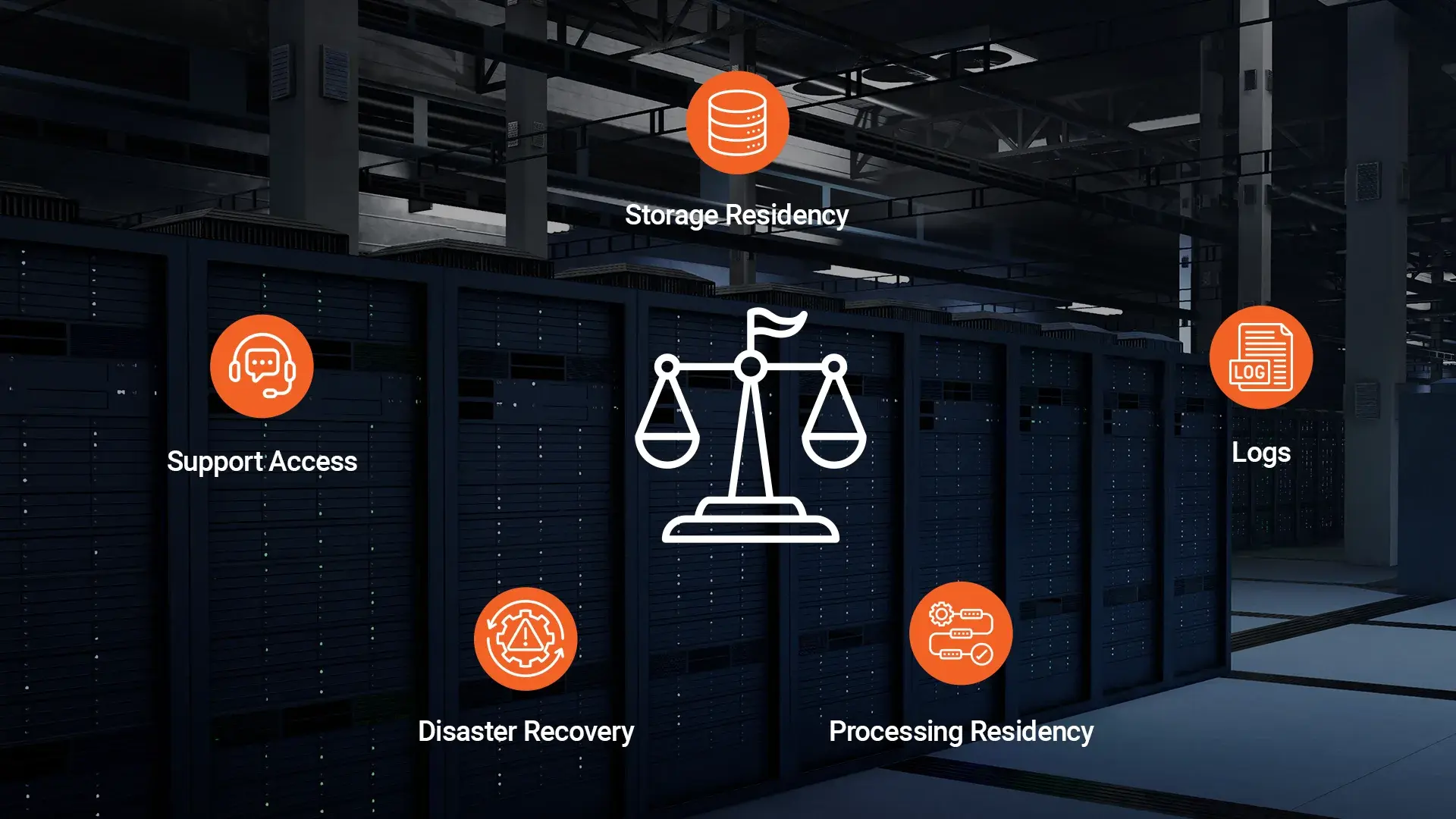
Data Residency and Jurisdiction: Why In-Country Storage Is Not the Whole Answer
Choosing a storage region answers exactly one question, which is where the bytes sit when nothing is happening to them. A regulator or a legal team ...
August 12, 2026

Choosing an On-Prem Model: A Practical Evaluation Framework
Choosing which open-weight model to run on your own hardware is a measurement problem rather than a research problem. The decision that holds up is ...
August 12, 2026
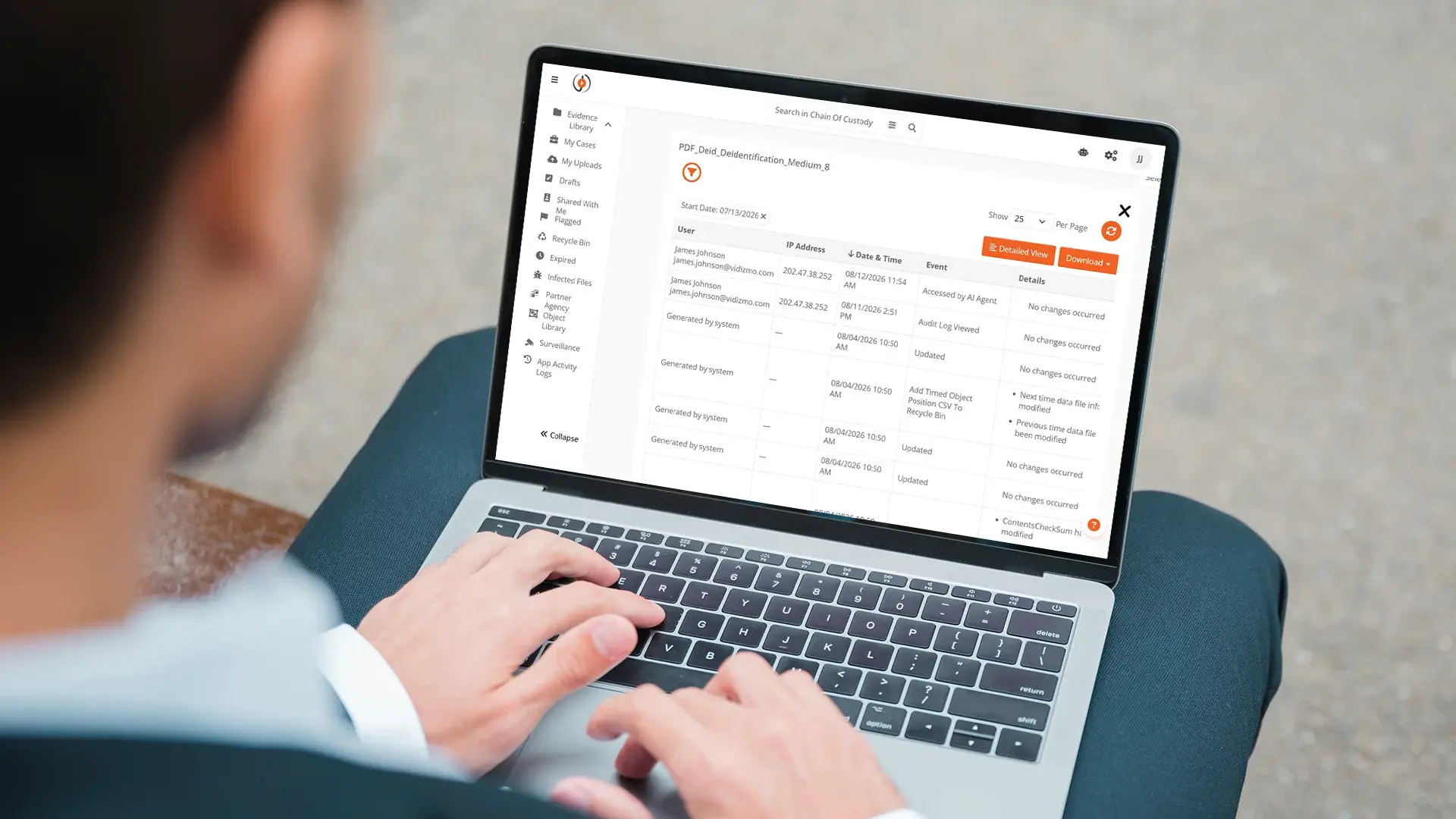
Chain of Custody for AI Outputs
A chain of custody for an AI output has to record how the output was made, not only who has handled it since. That is the whole difference from the ...
August 12, 2026

Air-Gapped AI: What Still Works With No Internet At All
An air-gapped AI system keeps the model weights, the inference server, the retrieval index, the application and its database inside an environment ...
August 12, 2026
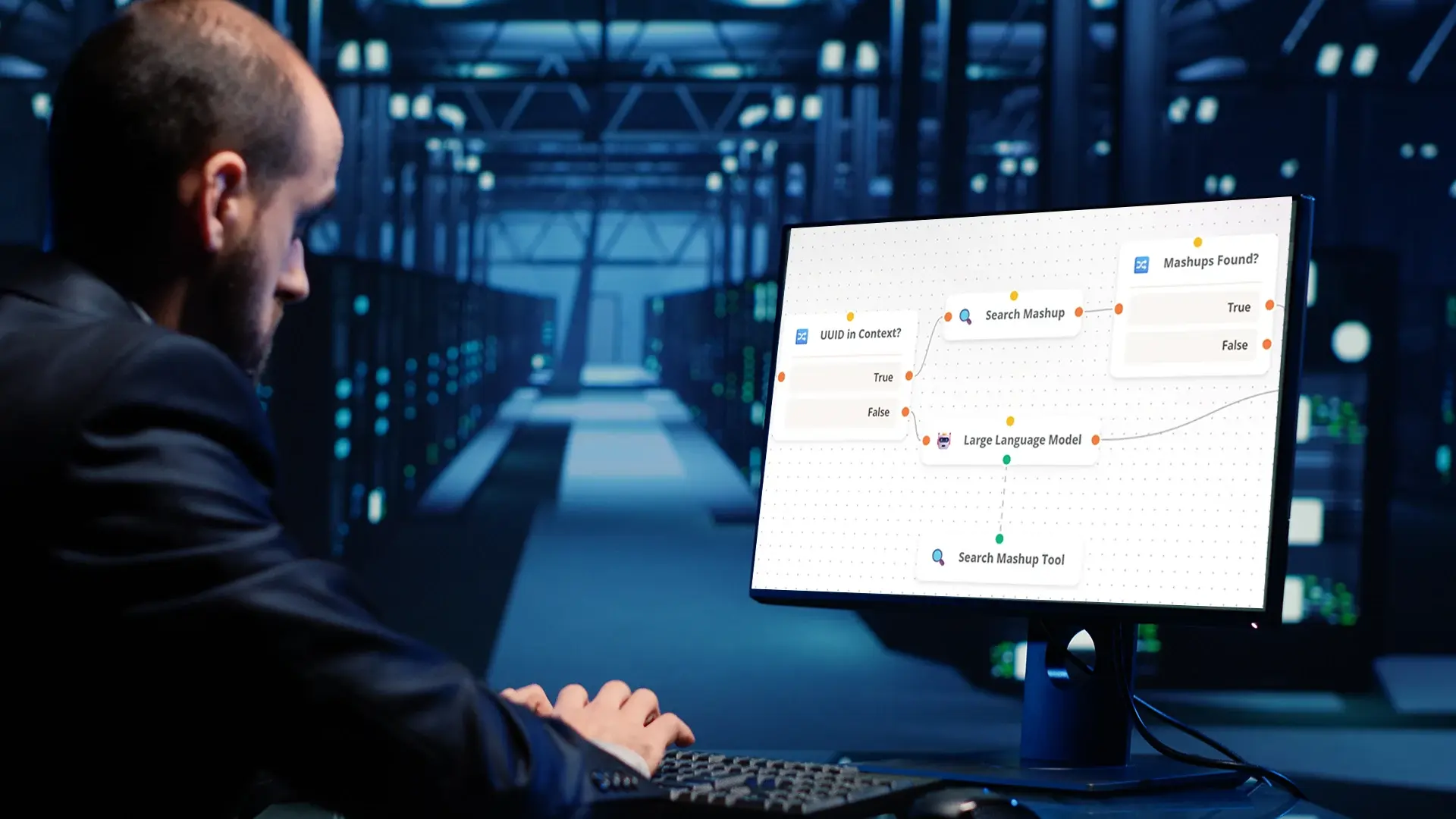
Running Agentic AI Workflows on Infrastructure You Control
Agentic AI runs on premise, and the interesting question is not whether the model can be served locally. That part is solved, and it sits inside the ...
August 12, 2026
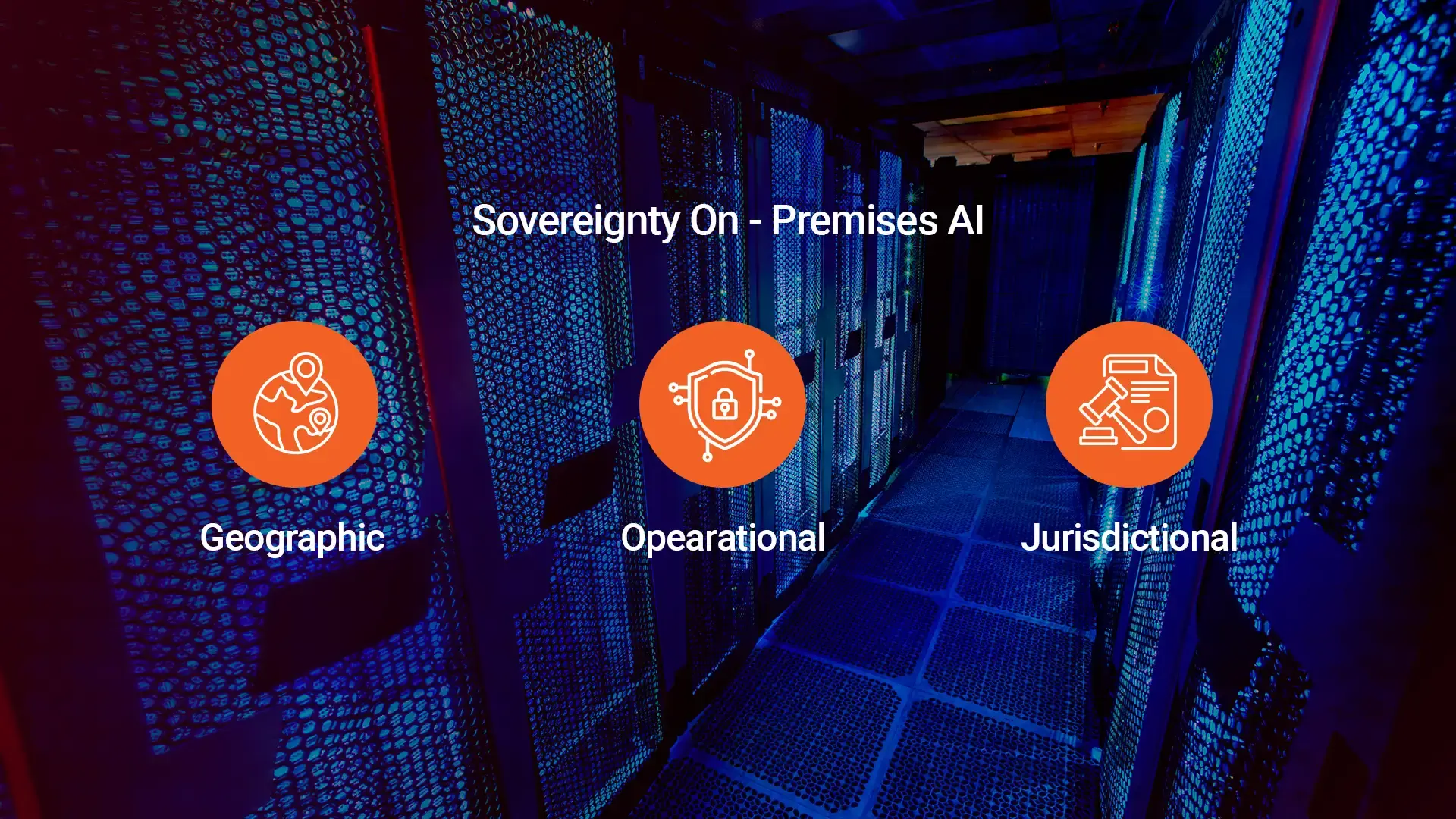
On-Premises AI: Running AI Inside Infrastructure You Control
Somewhere between legal, compliance and the board, most organizations that want to use AI have been handed a single question they cannot answer ...
August 12, 2026

Deploying a Low-Latency Surveillance Pipeline: An Architecture Guide
"Real-time" is one of those phrases that gets used loosely, and in a video analytics pipeline it hides a lot of engineering. A detection is not ...
July 15, 2026
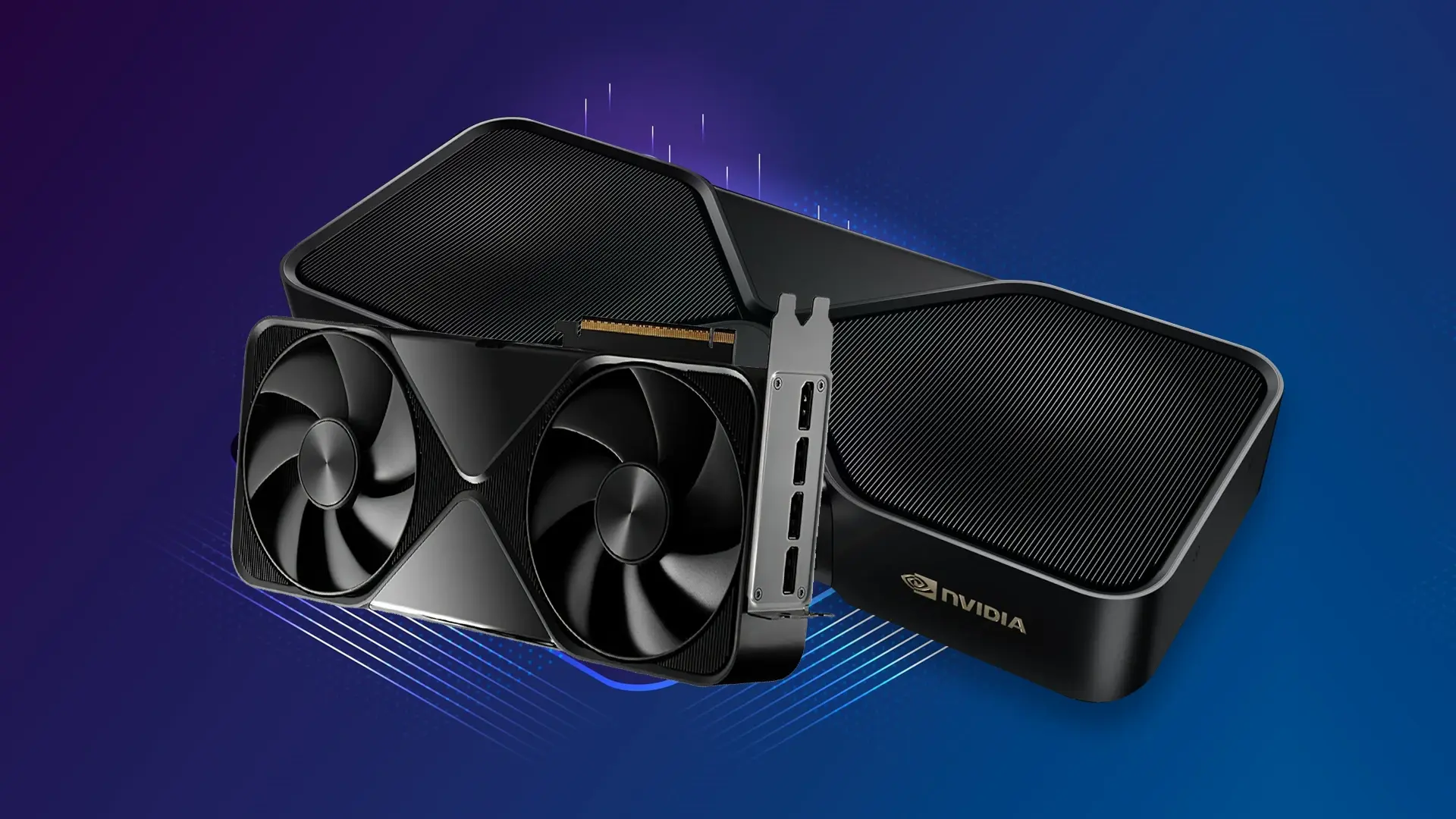
Choosing a GPU for Real-Time Video Analytics
Capacity planning tells you how many GPUs a deployment needs. This is the other half of the question: which GPU to actually buy. It deserves its own ...
July 15, 2026
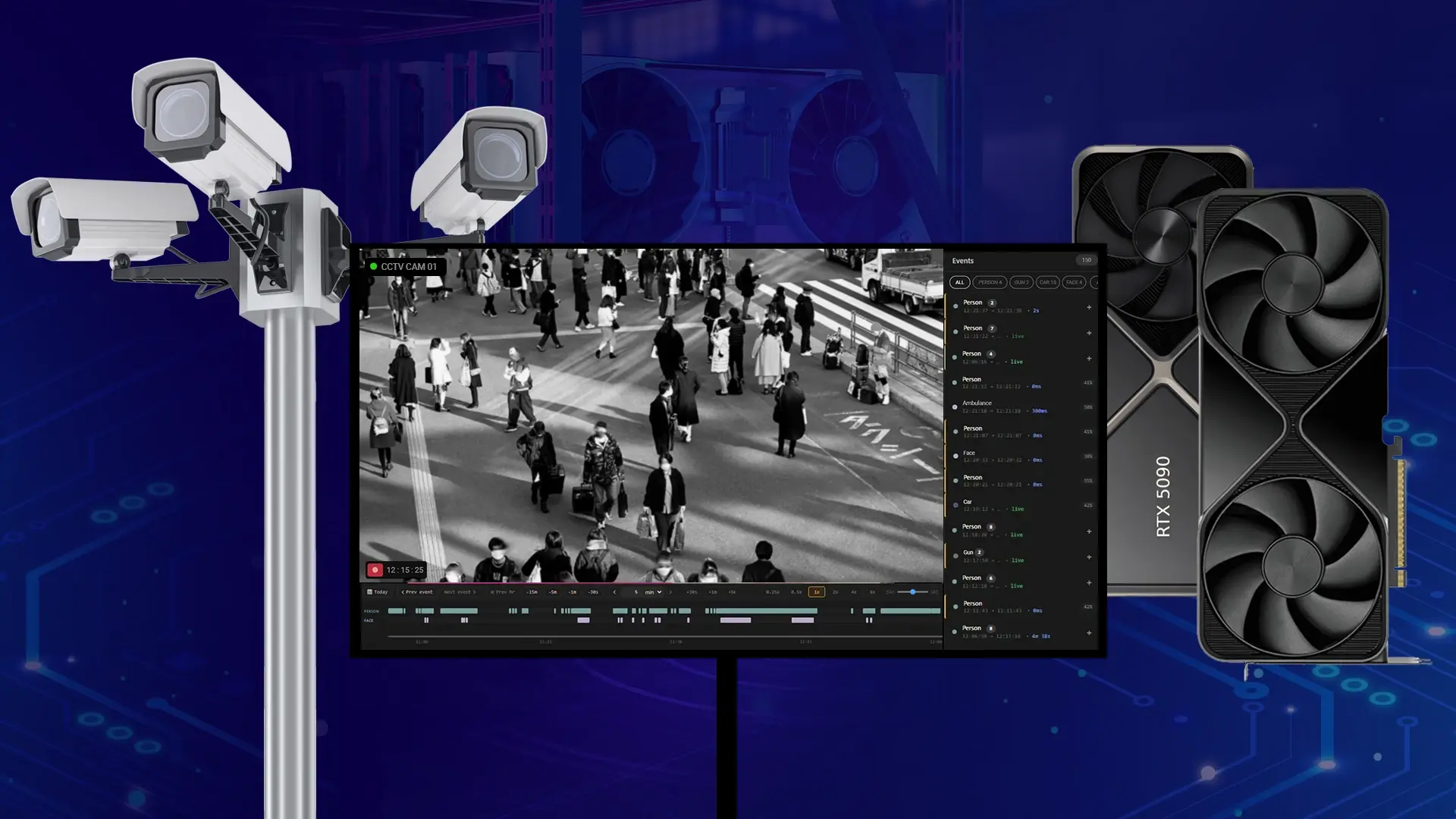
GPU Capacity Planning for Real-Time AI Video Analytics
Ask a vendor how many cameras their AI runs on one GPU and you will usually get a single confident number with no conditions attached, which is the ...
July 15, 2026

On-prem vs Cloud for Real-Time AI Video Analytics
For most software written this decade, the cloud is the default and running your own hardware needs a justification. Real-time video analytics ...
July 15, 2026

Camera Edge Processing vs Server-Based Processing: The Real Trade-offs
There are two honest places to run AI on a video feed, and the choice between them shapes almost everything else about a deployment, its cost, how it ...
July 15, 2026

Camera-Agnostic AI Video Analytics: Add AI to the Cameras You Already Own
The most consequential decision in a central video analytics system is one that rarely makes it into the requirements document: whether the ...
July 15, 2026