Every plane, truck, and bus on a busy corridor leaves a trail of footage, recordings, and paperwork. Here's one day of it. This is Lakeport, an airport, a freight interstate, a city transit system, and a warehouse district, all on one stretch of road. Cargo theft topped 700 million dollars last year. Assaults on transit workers more than doubled in under a decade. 12 verdicts against trucking and auto companies added up to 3.4 billion dollars. And after every incident, someone wants the footage.
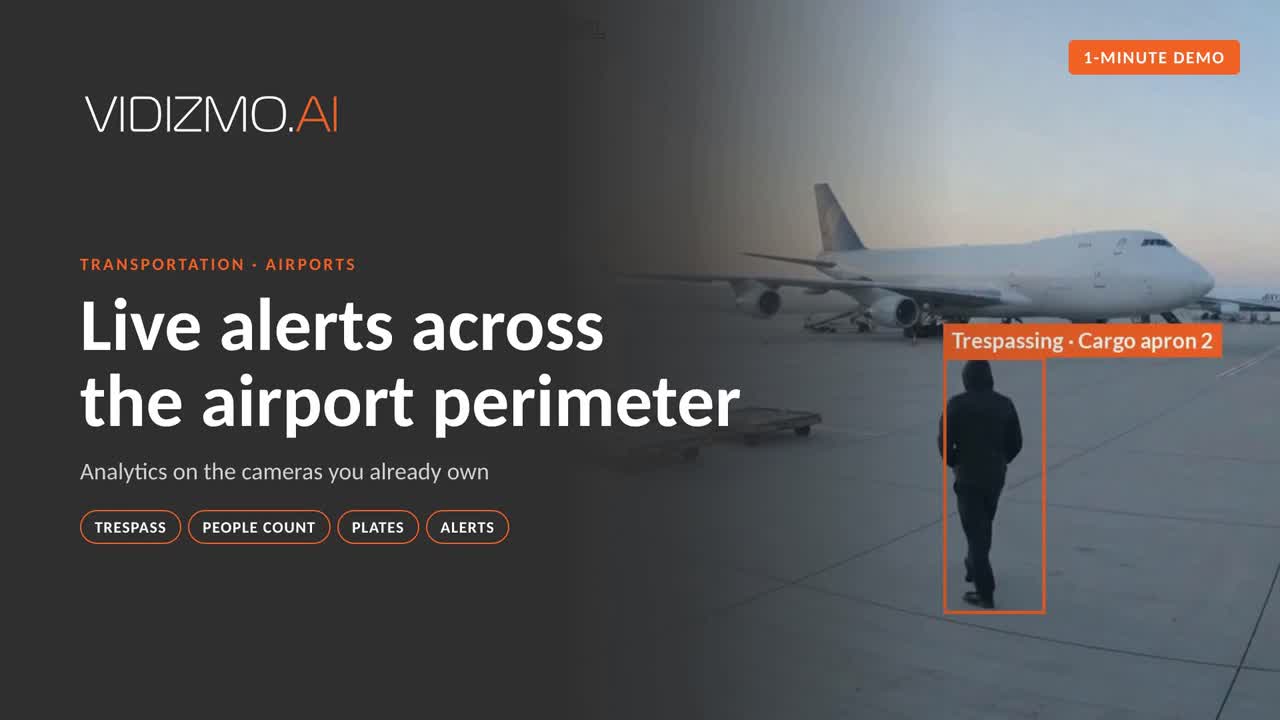
Follow the corridor around the clock and the seven people who answer for it. 5:40 a.m., Rosa runs security at Lakeport International. These are cameras the airport already owns. AI Live Insight reads every stream over RTSP and ONVIF, so nothing new goes on the walls. Someone walks onto the cargo apron where they shouldn't be, and a trespassing flag fires. At the checkpoint, the people count crosses its limit, and Rosa opens another lane. At the cargo gate, every plate is read as text.
A truck on the airport's watch list pulls up, and the gate officer gets an alert with a snapshot. 9:15, across town, a freight broker is booking a load. An email asks to move the pickup. Ken runs the paperwork and the booking call through AI Intelligence Hub. The signature doesn't match. The same document appears on another load, and the number on the call isn't the carrier's. Ken holds the load and calls the carrier on its known number. 11 o'clock, Elena runs safety and records at Lakeport Area Transit.
Her buses inspect the route as they drive it. A pothole and a damaged shelter are flagged, and repeat sightings become one work order for the maintenance team. 2:05, downtown, a car cuts in, and a freight truck clips the back of a city bus. No one is hurt. Two companies, two sets of cameras, one moment. Within the hour, Marco, the carrier's fleet safety manager, has one case. Dash cam video, the driver's statement, the telematics and hours of service records, the driver file, and the maintenance log, with custody tracked on every item.
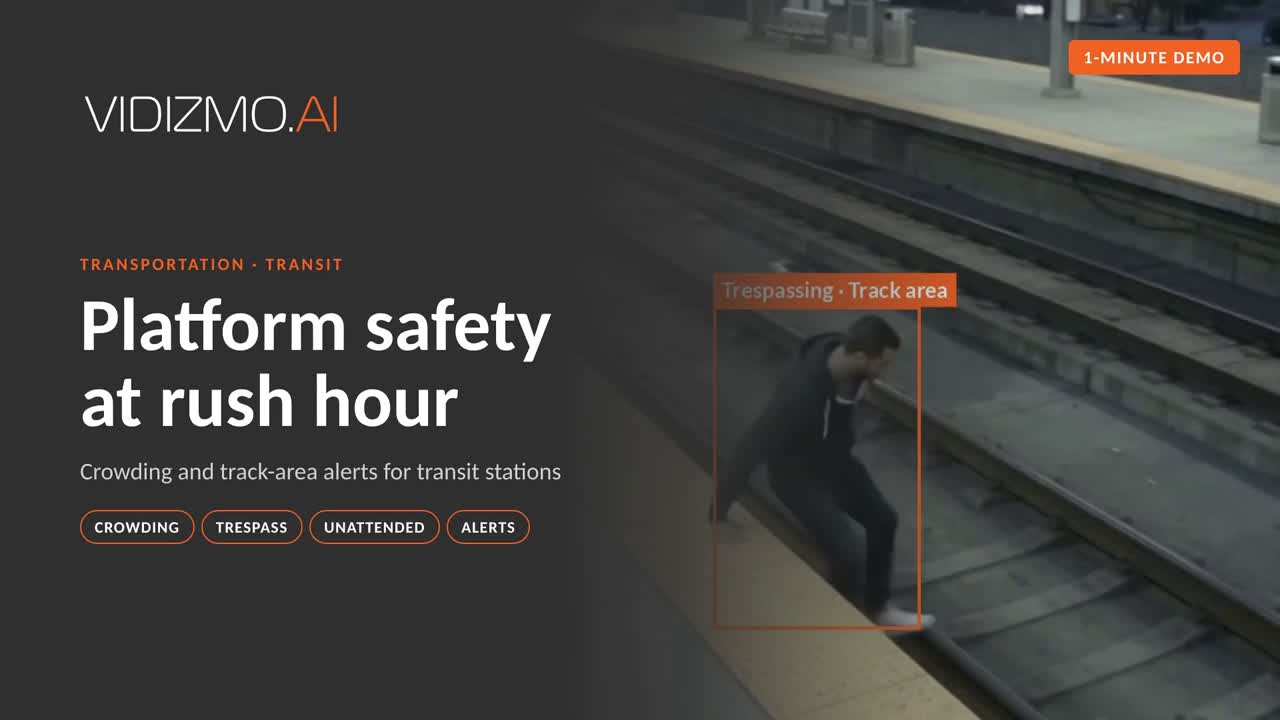
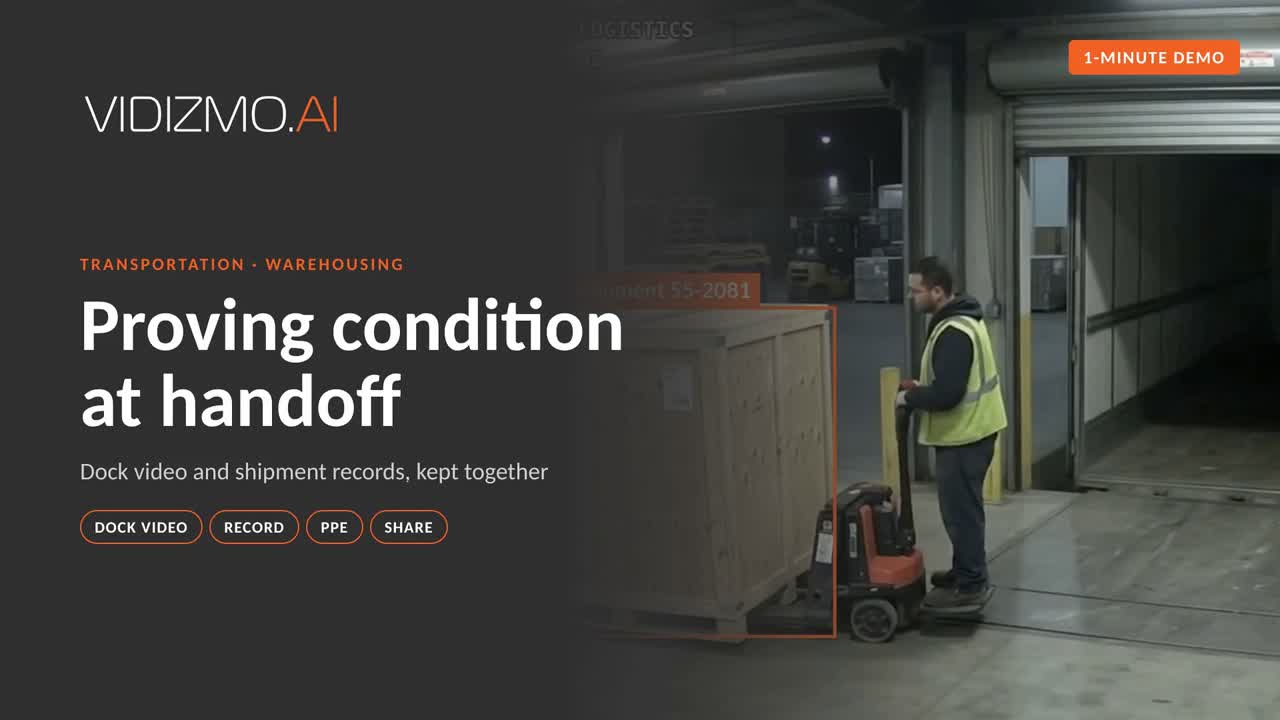
On the bus, onboard cameras saw the same moment. Elena's team files the footage next to the operator's report. 5:30, rush hour at the downtown transit center. The platform crowds past its limit, and when someone steps into the track area, a trespassing flag fires, and the alert goes to station staff with a snapshot. 8:10, the load reaches a third-party warehouse. On the dock, a worker without a safety vest is flagged. As the crate comes off the truck, the clip is saved with the shipment record, so its condition at handoff is on video.
The next morning, the requests arrive. A rider's attorney and a local reporter both ask for the bus video. Redactor blurs every other rider, a person reviews it, and each copy goes out through the requester portal with the exemption codes recorded. A week later, a rider files an injury claim. Victor, claims counsel, places a legal hold. Nothing in either record can be deleted while it stands. He asks for a timeline of the minute before impact. Each step links to the second of video or the line of the record it came from.
The insurer and defense counsel each get a link that expires, and every view is logged. Behind every stop is Omar, the IT director who had to approve it. It runs where policy says it should, in your cloud, on premises, at the edge, or fully disconnected. The AI can run on self-hosted models, and every answer cites its source, so people can check it. It works with the cameras you already run and with business systems like SAP, Salesforce, and ServiceNow.
Telematics and transportation management systems can be built to your requirement or reached through an MCP server or a REST API. One corridor, 24 hours, one platform. See it on your own cameras, footage, and records. Request a demo at VIDIZMO.ai.