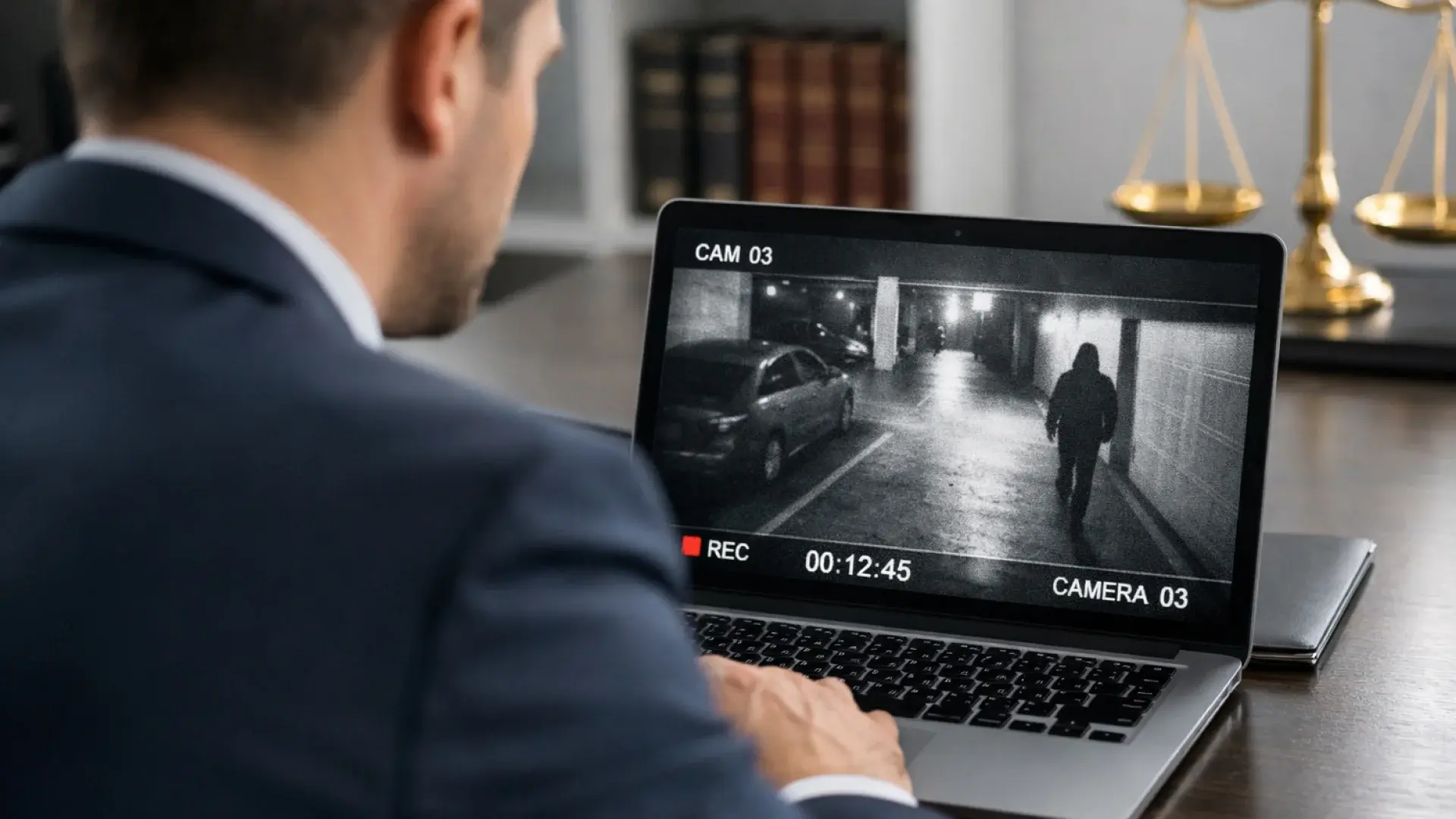
Video evidence now plays a decisive role in how prosecutors evaluate cases, meet disclosure obligations, and present facts in court. What matters is not only what a video shows, but whether it can be reviewed, documented, and defended with confidence at every stage of prosecution.
For prosecutors, video evidence review is no longer a passive task. It is a high-risk process where missed context, unclear annotations, weak version control, or incomplete audit trails can affect admissibility, credibility, and appellate outcomes. As scrutiny from defense counsel and courts increases, informal review methods leave offices exposed.
Despite this shift, many prosecution teams still rely on tools that were never designed for structured video evidence review. Shared storage, basic media players, and manual tracking cannot scale with today’s volume or legal expectations. Treating video review as a repeatable, auditable workflow is now essential for defensible prosecution.
The Hidden Burden Of Poorly Structured Video Evidence
Most prosecutors do not control how video comes in. You inherit whatever structure, naming conventions, and collection methods investigators use. Often that means:
- Folder trees labeled by date or device, not by case or incident
- File names like "MOV_0047" or "cam1_final" with no context
- Mixed media types in one folder, from video to PDFs to audio
- Metadata lost when files are emailed, burned to disc, or copied between drives
From a legal strategy standpoint, this matters. When video evidence review for prosecutors starts from a messy evidence handover, you lose time on basic triage work before you ever reach analysis. You also increase the risk of:
- Overlooking a relevant clip because it is misfiled or mislabeled
- Duplicating work across attorneys who cannot easily see what colleagues already reviewed
- Weak documentation of where a file came from and who touched it
Traditional tools like shared network drives or consumer file-sharing services do not solve this. They store files. They do not create a structured, case-centric workspace for video.
A modern digital evidence platform starts by indexing every video into a case workspace, extracting metadata where available, and tying each file to source, device, and uploader. That creates a consistent starting point for video evidence review for prosecutors, regardless of how the footage arrived.
Time Pressure And Long-Form Video Footage
Body-worn cameras and surveillance systems generate hours of footage for every meaningful moment. Yet many prosecutors still review video in real time, manually scrubbing and hoping not to miss subtle details.
This approach leads to:
- After-hours and weekend review sessions
- Rushed viewing that misses critical context
- Overreliance on investigator summaries
Traditional media players were never designed for large-scale video evidence review for prosecutors. Modern platforms improve efficiency by enabling:
- Variable-speed playback with intelligible audio
- Searchable transcripts where available
- Bookmarks and saved segments tied to specific timestamps
This shifts review from linear watching to targeted analysis, which is the only sustainable approach as video volumes continue to grow.
Identifying, Annotating, And Sharing Key Video Moments
Finding a critical moment is only the first step. Prosecutors must also explain why it matters and share that insight with colleagues.
Common problems include:
- Notes stored separately from the video
- Inconsistent time references between reviewers
- No audit trail for who identified key segments
A defensible approach to video evidence review for prosecutors attaches annotations directly to the video timeline. Effective systems support:
- Frame-accurate markers with explanatory notes
- Role-based visibility for comments and tags
- Exportable logs showing authorship and timing
This improves collaboration and strengthens the record for trial and appeals.
To understand how these challenges are handled in practice, read our guide on how prosecutors review, annotate, and redact video evidence.
Managing Multiple Versions Of Video Evidence
Video evidence often exists in multiple forms: original files, redacted copies, enhanced versions, and trial-ready exports. Without structured version control, prosecutors struggle to answer basic questions about disclosure and admissibility.
Renaming files manually does not provide evidentiary clarity. Platforms designed for video evidence review for prosecutors maintain:
- Clear parent-child relationships between versions
- Automated logs of every modification
- Indicators showing which version is approved for trial or disclosure
This reduces the risk of presenting the wrong version in court or disclosing sensitive content unintentionally.
Balancing Disclosure Obligations with Privacy and Redaction
Video evidence frequently captures bystanders, minors, private residences, and sensitive information. Managing redaction through disconnected tools creates unnecessary risk, including uncontrolled copies and weak documentation.
Effective video evidence review for prosecutors requires:
- Role-based access to unredacted originals
- Integrated video and audio redaction tools
- Logs documenting what was redacted and why
- Secure, controlled sharing for defense disclosure
This allows offices to meet disclosure obligations without compromising privacy or security.
Coordinating Video Review With Investigators And Partners
Prosecutors, investigators, and external agencies often review the same video through disconnected systems. This leads to inconsistent interpretations and fragmented communication.
A shared review environment supports better outcomes by allowing:
- Early investigator uploads and preliminary tagging
- Prosecutor feedback and clarification directly on video assets
- Central enforcement of security and retention policies
This transforms coordination from email-driven chaos into a structured, accountable workflow.
Maintaining Chain Of Custody During Video Review
Every download, export, or copy introduces risk. Without a unified audit trail, it becomes difficult to defend the integrity of video evidence.
A defensible video evidence review workflow for prosecutors includes:
- Tamper-evident logs of all user activity
- Cryptographic hashes for original files
- Separation of evidentiary originals from working copies
These controls are essential when authenticity is challenged in court.
Preparing Video Evidence For Court And Discovery
The final stage of video evidence review for prosecutors is presentation. Manually editing clips at the last minute increases the risk of technical errors and disclosure mismatches.
Modern platforms simplify this process by enabling:
- Playlists or compilations from multiple cameras
- Court-ready exports with consistent formats
- Secure defense access portals with audit trails
This reduces trial-day friction and reinforces disclosure integrity.
How Modern Platforms Improve Video Evidence Review For Prosecutors
The core challenge is not video itself but outdated workflows. A modern Digital Evidence Management approach provides:
- Case-based organization with consistent metadata
- Faster, more accurate review tools
- Collaborative and auditable annotations
- Strong version and redaction control
- End-to-end chain of custody tracking
- Secure sharing aligned with legal obligations
As video becomes central to criminal litigation, prosecutors who treat video evidence review as a core capability rather than an afterthought are better positioned to deliver accurate, timely, and defensible outcomes.
Modernize how your agency reviews and manages video evidence. VIDIZMO Digital Evidence Management System helps prosecutors securely review, redact, and disclose video with full chain of custody. Book a meeting or contact us to learn more.