
by Zain Noor, Last updated: March 9, 2026

Key Takeaways
- HIPAA applies to healthcare videos that contain Protected Health Information (PHI), including telehealth, surveillance, and clinical recordings.
- Manual video redaction is time-consuming, error-prone, and difficult to scale in hospitals and clinics.
- HIPAA-compliant video redaction tools help automatically remove visual and audio PHI from healthcare videos.
- AI-powered redaction improves efficiency while supporting audit readiness and secure video sharing.
- Selecting the right solution requires evaluating security controls, redaction accuracy, and compliance reporting.
Why HIPAA-Compliant Video Redaction Matters in Healthcare
Hospitals and clinics rely on video for telehealth consultations, patient monitoring, medical training, and security operations. While video improves care delivery and accountability, it often captures Protected Health Information (PHI) such as patient faces, medical records on screens, and private conversations.
Under the Health Insurance Portability and Accountability Act (HIPAA), healthcare organizations must protect PHI in all formats, including video and audio recordings. Without proper safeguards, sharing or storing healthcare videos can lead to HIPAA violations, regulatory penalties, and loss of patient trust. This is why HIPAA-compliant video redaction tools have become essential for healthcare compliance.
What Is a HIPAA-Compliant Video Redaction Tool?
A HIPAA-compliant video redaction tool is software that helps hospitals and clinics remove or anonymize Protected Health Information (PHI) from video and audio recordings. These tools automatically detect identifiers such as patient faces, medical records displayed on screens, and spoken names, ensuring healthcare videos can be stored or shared without violating HIPAA privacy requirements.
What Is HIPAA and How Does It Apply to Healthcare Videos?
HIPAA establishes national standards for protecting PHI in electronic, visual, and verbal formats. When video recordings include identifiable patient information, they are considered electronic PHI and must comply with HIPAA Privacy and Security Rules.
Healthcare videos covered under HIPAA include:
- Telehealth and virtual consultation recordings
- Patient monitoring footage
- Security and surveillance videos
- Incident investigation recordings
- Medical training and educational videos
Why Healthcare Videos Are a High-Risk Source of PHI
Healthcare videos capture information continuously, making them more difficult to control than documents or databases. A single video can expose multiple identifiers at once, increasing compliance risk.
What Types of PHI Commonly Appear in Healthcare Videos?
Healthcare videos often contain the following types of Protected Health Information:
- Patient faces and physical identifiers
- Wristbands, charts, and prescription labels
- Electronic health records displayed on screens
- Spoken patient names, diagnoses, or treatment details
- Room numbers and facility identifiers
Common Video Redaction Challenges Faced by Hospitals & Clinics
Manual Redaction Is Not Scalable
Manually reviewing videos frame by frame to blur faces or mute audio requires significant time and resources. This approach does not scale well for healthcare organizations managing large volumes of video.
Risk of Human Error
Manual redaction increases the risk of missing PHI, which can result in accidental disclosures and HIPAA violations.
Secure Video Sharing Constraints
Hospitals often need to share videos with insurers, legal teams, regulators, or law enforcement. Without proper redaction and access controls, sharing video externally can expose sensitive information.
Compliance Audits and Accountability
Healthcare organizations must demonstrate compliance. Without audit logs and redaction records, proving that PHI was protected becomes challenging.
How Do HIPAA-Compliant Video Redaction Tools Work?
HIPAA-compliant video redaction tools follow a structured process to protect patient privacy:
- Scan video and audio files for PHI identifiers
- Automatically detect faces, screens, and sensitive audio
- Apply irreversible redaction, such as blurring or muting
- Allow compliance teams to review and approve redactions
- Generate audit logs for compliance verification
Manual vs Automated Video Redaction for HIPAA Compliance
| Feature | Manual Redaction | Automated Redaction |
|---|---|---|
| Time required | High | Low |
| Risk of human error | High | Reduced |
| Scalability | Limited | High |
| Audit readiness | Weak | Strong |
| HIPAA compliance support | Inconsistent | Structured |
Key Features of HIPAA-Compliant Video Redaction Tools
AI-Powered Automated Redaction
Modern tools use artificial intelligence to detect faces, text, and objects associated with PHI, reducing the time required to redact healthcare videos.
Audio Redaction Capabilities
Effective solutions support muting or masking sensitive conversations, names, and other spoken identifiers.
Secure Access Controls
Role-based permissions ensure only authorized users can view, edit, or share redacted videos.
Audit Trails and Compliance Reporting
Detailed logs provide proof of redaction activity and support HIPAA audits and investigations.
Secure Storage and Sharing
Encrypted storage and controlled sharing links help prevent unauthorized access to healthcare videos.
Benefits of Using HIPAA-Compliant Video Redaction Software in Healthcare
- Reduces the risk of HIPAA violations and data breaches
- Improves efficiency compared to manual redaction
- Enables secure video sharing with external stakeholders
- Supports scalable compliance across departments
- Helps maintain patient trust and regulatory confidence
How to Choose the Right HIPAA-Compliant Video Redaction Tool
Healthcare organizations should evaluate solutions based on:
- Security and HIPAA readiness
- Accuracy and redaction review capabilities
- Integration with existing video workflows
- Scalability and long-term vendor support.
Available Video Redaction Solutions
Several platforms provide video redaction capabilities designed for regulated environments. Solutions such as VIDIZMO Redactor offer AI-assisted redaction, secure access controls, and audit logging features that support healthcare compliance requirements. Organizations should evaluate any solution based on their operational, security, and regulatory needs.
Ensuring HIPAA Compliance with the Right Video Redaction Tools
As video becomes more deeply integrated into healthcare operations, protecting patient privacy is increasingly complex. HIPAA-compliant video redaction tools help hospitals and clinics reduce compliance risks, streamline workflows, and securely share video when needed. By adopting automated, compliance-focused redaction practices, healthcare organizations can continue to benefit from video while meeting HIPAA obligations and safeguarding patient trust.
How VIDIZMO Redactor Supports HIPAA-Compliant Redaction Across Video, Image, Document, Audio, and OCR Data
Healthcare organizations manage Protected Health Information (PHI) across multiple content formats, not just video. Patient identifiers often appear in images, scanned documents, audio recordings, and text embedded within visual media. VIDIZMO Redactor helps hospitals and clinics address HIPAA redaction requirements across these formats through a centralized and compliance-focused approach.
Video Redaction for HIPAA Compliance
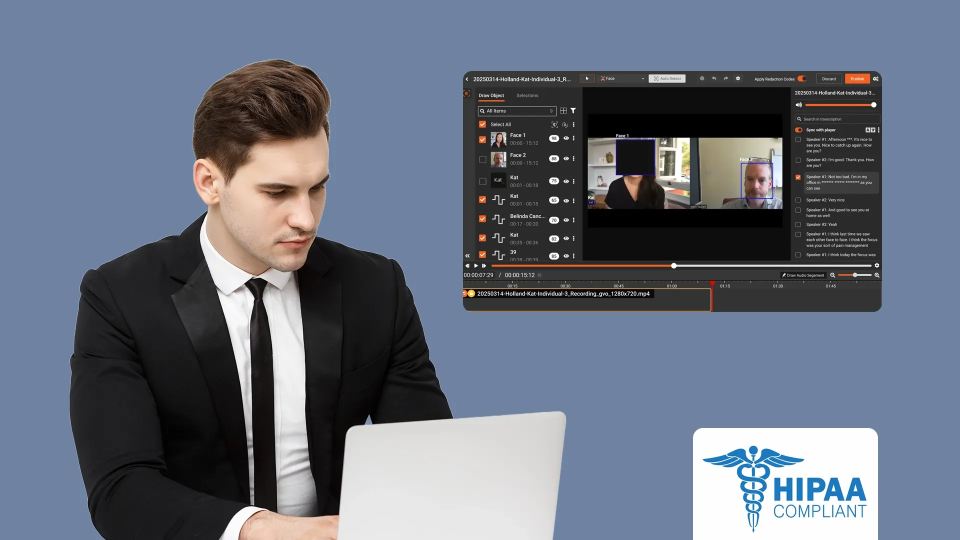
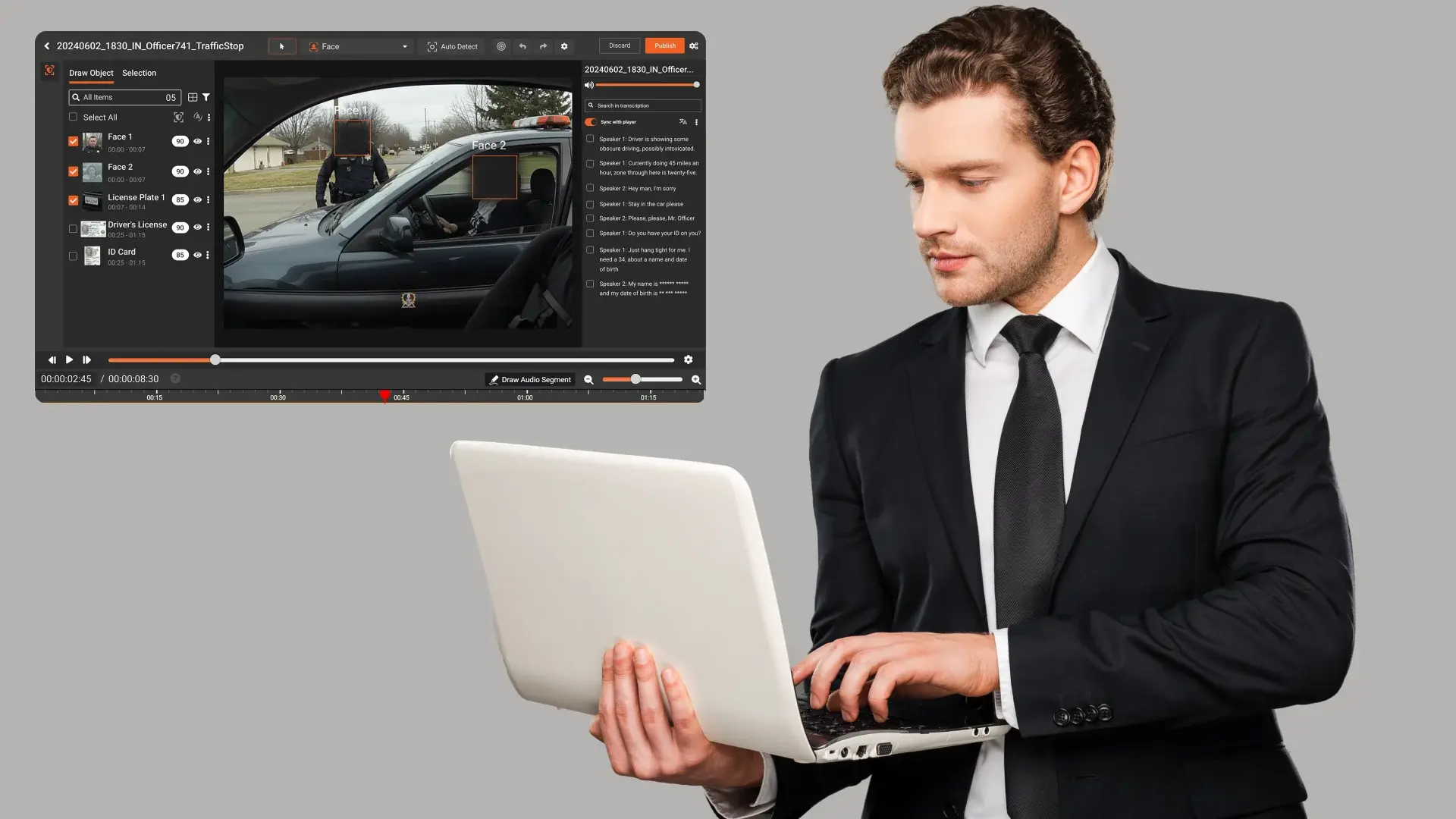
Healthcare videos frequently capture patient faces, medical records on screens, and other identifiable details. VIDIZMO Redactor supports HIPAA-compliant video redaction by automatically detecting and obscuring sensitive visual elements before videos are stored or shared. This helps healthcare teams reduce manual review effort while maintaining consistent privacy controls across large volumes of video footage.
Image Redaction for Sensitive Healthcare Visuals
Images such as patient photographs, screenshots, and medical visuals may also expose PHI. VIDIZMO Redactor enables healthcare organizations to redact sensitive identifiers from images, including faces and embedded text, ensuring images can be safely shared or archived without compromising patient privacy.
Document Redaction for Healthcare Records
Scanned documents, clinical reports, and referral files often contain personal and medical identifiers. VIDIZMO Redactor supports document redaction by identifying and removing PHI from both structured and unstructured documents. This allows healthcare teams to securely share records with third parties while meeting HIPAA privacy requirements.
Audio Redaction for Patient Conversations and Recordings
Audio recordings used in healthcare settings may include patient names, diagnoses, or private discussions. VIDIZMO Redactor supports audio redaction by masking or muting sensitive spoken information, helping healthcare organizations protect privacy when using audio for quality review, training, or investigations.
OCR-Based Redaction for Text Embedded in Media
Text displayed within videos, images, or scanned documents often contains PHI, such as patient names or room numbers. VIDIZMO Redactor uses Optical Character Recognition (OCR) to detect and redact text-based identifiers across media types, enabling consistent handling of both visual and textual PHI.
Centralized Redaction and Compliance Oversight
By supporting video, image, document, audio, and OCR-based redaction within a single workflow, VIDIZMO Redactor helps healthcare organizations apply uniform privacy controls across departments. Centralized oversight and redaction logs also support audit readiness and accountability, which are essential for ongoing HIPAA compliance.
Start Your Free Trial Today - No Credit Card Needed

About the Author
Jump to
How to Redact PHI from SaaS Product Demo Videos

How to Redact a Video Efficiently with Video Redaction Software

No Comments Yet
Let us know what you think