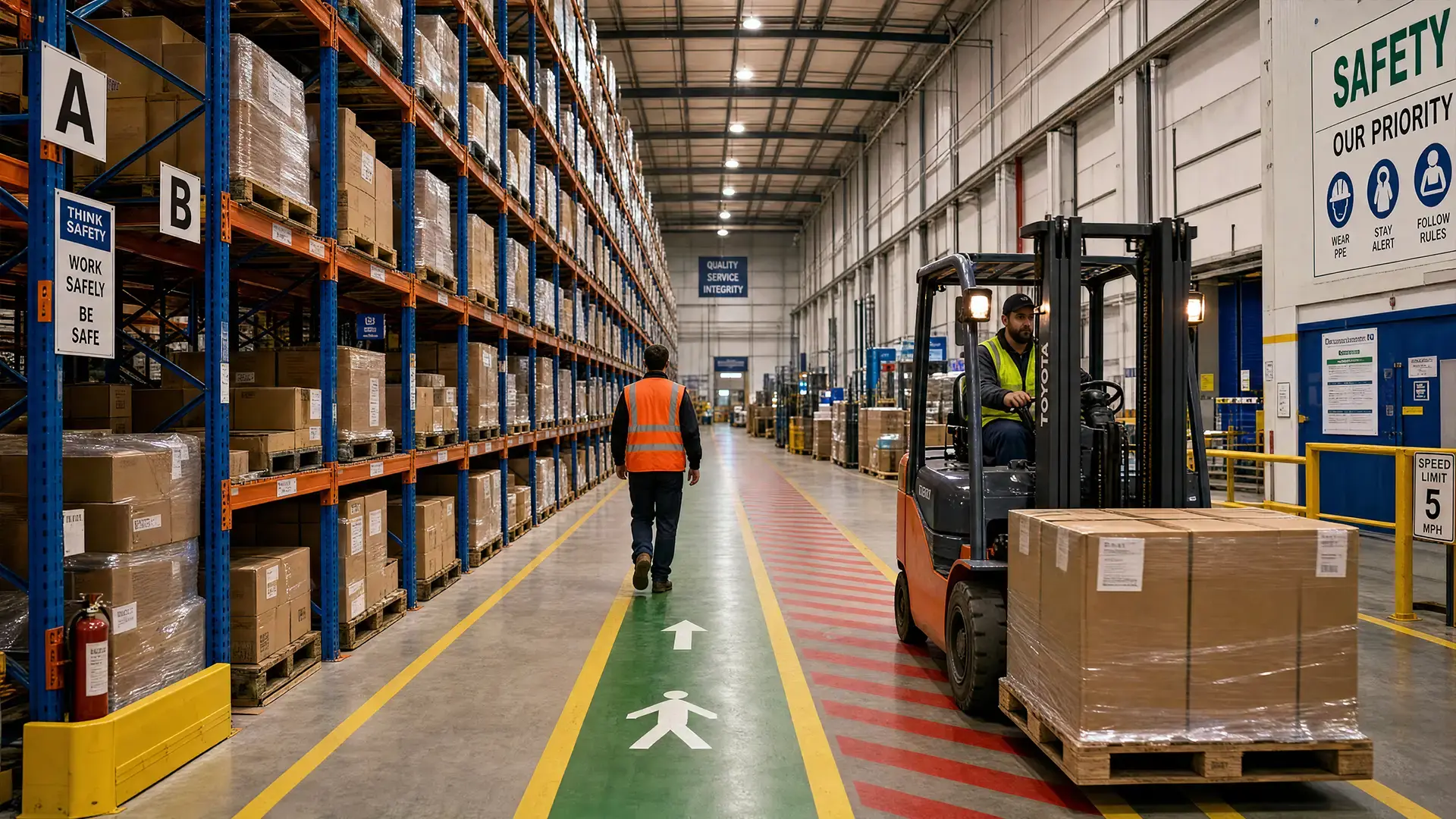
Ask any plant safety manager to name the scenario that worries them most and the answer is rarely exotic. It is a forklift backing out of a trailer while a picker cuts behind it, or a pedestrian stepping through a doorway into an aisle a truck is already committed to, or the end-of-shift period when vehicles and people converge on the same time clock through the same stretch of floor. The industry has spent decades on this problem with training, painted walkways, mirrors, spotters, and blue overhead lights, and the incidents keep coming, because every one of those controls depends on a human noticing something in the two seconds that matter. This article looks at what camera-based detection adds to that stack, what it honestly requires to work, and where its limits sit. It is part of our full guide to AI for workplace safety in manufacturing.
The scale of the vehicle-pedestrian problem
The national numbers say this category deserves the anxiety it gets. In the 2024 Census of Fatal Occupational Injuries, released by the Bureau of Labor Statistics in February 2026 and the most recent data that exists, transportation incidents remained the largest single category of workplace death, accounting for 38.2 percent of the 5,070 total fatalities. Inside that category sits the number that should stop a safety leader mid-scroll: pedestrian incidents involving motorized land vehicles rose 19.0 percent, to 369 deaths from 310 the year before, in a year when nearly every other major category fell. Those figures span all industries rather than manufacturing alone, but the mechanism they describe, a person and a powered vehicle occupying the same space with neither aware of the other in time, is the plant-floor scenario exactly.
The regulatory expectations are specific in ways that matter for monitoring. The powered industrial truck standard at 29 CFR 1910.178 requires operators to "look in the direction of, and keep a clear view of the path of travel," forbids driving a truck up to anyone standing in front of a fixed object, forbids anyone standing or passing under the elevated portion of a truck whether loaded or empty, and requires operator training to specifically cover pedestrian traffic in the areas where the vehicle operates. Powered industrial trucks sat at number eight on the Occupational Safety and Health Administration's (OSHA) most frequently cited standards for fiscal year 2025. Each of those requirements describes a spatial relationship between a vehicle, a person, and a moment, which is precisely the kind of fact a camera with tracking can observe continuously and a supervisor cannot.
Forklift detection requires a trained model
Here is something most vendor conversations in this space skate past, and being plain about it up front will save an evaluation weeks. General-purpose detection models ship with vehicle detection types drawn from the world at large, cars, buses, trucks, bikes, and the like, because those dominate the imagery such models are trained on. A forklift is not reliably any of those. It is a distinct shape, often partially loaded, seen indoors under mixed lighting, and treating it as "truck" produces exactly the unreliable detection you would expect.
The workable answer is a detection type trained for the purpose, built from footage representative of the site, and this is a normal part of scoping rather than a defect, but it has consequences a buyer should hold vendors to. Training needs labeled examples from cameras like yours, covering your truck types, loaded and unloaded, from the angles your cameras actually have. A trained detection type then behaves like any shipped one, with its own confidence threshold and severity feeding the same alert pipeline. What this means for procurement is simple: ask any vendor claiming forklift detection whether the detection type is trained or a relabeled generic vehicle type, ask what footage the training used, and treat a demo on marketing video as no evidence about your dock. The same logic applies to the other site-specific detection types covered in our article on detection beyond the stock preset list.
Turning detections into proximity alerts
Detecting a forklift, on its own, was never the goal. The goal is knowing when a forklift and a person are converging, and that is built from zone rules layered on tracked detections rather than from any single detection event.
The patterns that earn their keep on real floors are consistent. Line-crossing rules at dock doors and blind corners fire when a pedestrian crosses into vehicle space or a vehicle crosses into a walkway, with direction taken from the arrow drawn on the rule, so traffic moving the legitimate way stays silent. Zone rules around trailer-loading positions catch the classic backing scenario by flagging a person entering the operating envelope while a vehicle occupies it. Crowd rules on shared aisles catch the shift-change condition, where the count of people in a vehicle corridor exceeds what the traffic plan assumed. Dwell rules catch the pedestrian who has stopped in a travel lane, distinguishing passage, which is normal, from lingering, which is exposure. Because every rule names its own target type, the same camera can watch people and vehicles under different rules simultaneously, and because tracking holds identity across frames, one crossing is one event rather than a burst of alerts.
What accumulates is something no incident log contains: the near-miss map. Every plant has intersections where trucks and people pass close a dozen times a day and nothing has happened yet, and self-reported near-miss data captures almost none of it, for reasons covered in our article on why self-reported safety data understates exposure. Ninety days of zone events, sorted by location and shift, is a ranked list of the crossings most likely to produce the next serious incident, and it usually contradicts the site's assumptions about where the danger lives. The fixes it points to are physical as often as behavioral, a barrier here, a rerouted walkway there, a mirror where the sight line actually fails, which is the hierarchy of controls working as intended, with the camera supplying the evidence for which engineering fix to buy.
Using the data in the traffic management plan
Detection data earns its keep when it changes the physical plant, so it is worth being concrete about how the near-miss map converts into a traffic management plan, because this is the part of the project that outlives any technology decision.
Start with the ranking the zone events produce. After ninety days, the site has a table nobody has ever had before: crossings and near-pass events by intersection, by shift, by direction. The usual discoveries are that two or three locations carry most of the exposure, that at least one of them is not on anybody's list of known trouble spots, and that the worst window is narrower than assumed, often the twenty minutes around shift change rather than the shift itself. That specificity is what turns a general anxiety into a scoped engineering request.
Then apply the hierarchy of controls to the top of the table, in order, and let the data argue for the expensive options. Physical separation first: if the ranking shows one aisle carrying both the forklift route to the dock and the pedestrian route to the break room, the fix is a barrier and a rerouted walkway, and the event data is the business case that gets a five-figure barrier approved, because it converts "we think this corner is bad" into a count. Administrative controls next where separation cannot work: staggering the shift-change flow, or closing a vehicle route during the peak pedestrian window, both of which the data can validate afterward by showing the event rate actually fell, which is a follow-up almost no site can do today. Awareness controls last, the mirrors and lights and floor markings, aimed at the locations further down the table where the exposure is real but occasional.
The same data settles the argument that follows every incident, which is whether it was a one-off or a pattern. An intersection with a recorded history of near passes is a known hazard in every sense that matters to an insurer and, uncomfortably, to a regulator, and the site that can show it identified the location, ranked it, and had the barrier on this quarter's capital plan is in a categorically different position from the site with no record at all. The record cuts both ways, as it always does, and the answer is the same as everywhere else in this series: pair the measurement with the resourcing to act on it, and the record becomes the story of a working program.
What this does not replace
Camera analytics is a monitoring layer, and pretending otherwise gets people hurt. It does not replace operator training, which 1910.178 requires and audits. It does not replace physical separation, which remains the strongest control wherever the layout allows it. It does not replace proximity systems on the trucks themselves where a site has fitted them, and the two are complementary rather than competing, since the on-truck system protects the immediate envelope while the camera layer sees the whole intersection and keeps the record.
Timing deserves an answer as straight as the one just given about training. A line-crossing or zone detection on a live feed raises its alert as the event is tracked, fast enough to page the area supervisor and change what happens next in a developing pattern, such as clearing an aisle before the condition worsens. It is not a collision-avoidance system and no camera-to-server architecture should be sold as one, because the physics of the last half-second belongs to controls on the machine. The honest value is the minutes and the months: the alert that gets a supervisor to a deteriorating intersection while it is still deteriorating, and the dataset that gets a barrier budgeted before the incident review does it posthumously.
For latency reasons alone, this workload also runs where the cameras are. Continuous feeds from every dock and aisle streaming off site for analysis adds delay and bandwidth cost that a real-time alert cannot carry, so the practical architecture keeps processing on the customer's own hardware, on premises, with the cloud available in principle but rarely the right answer for live surveillance.
How VIDIZMO approaches it
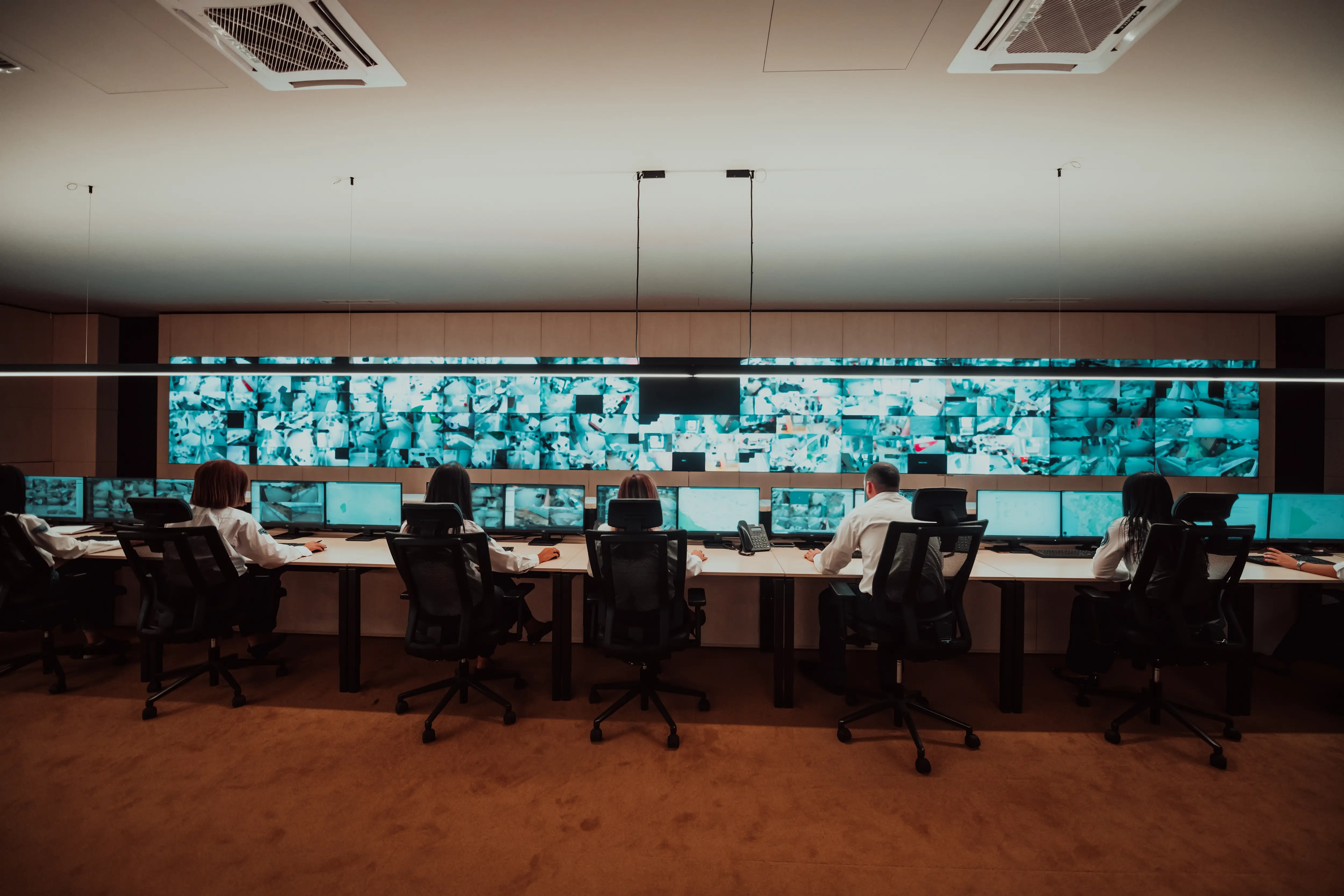
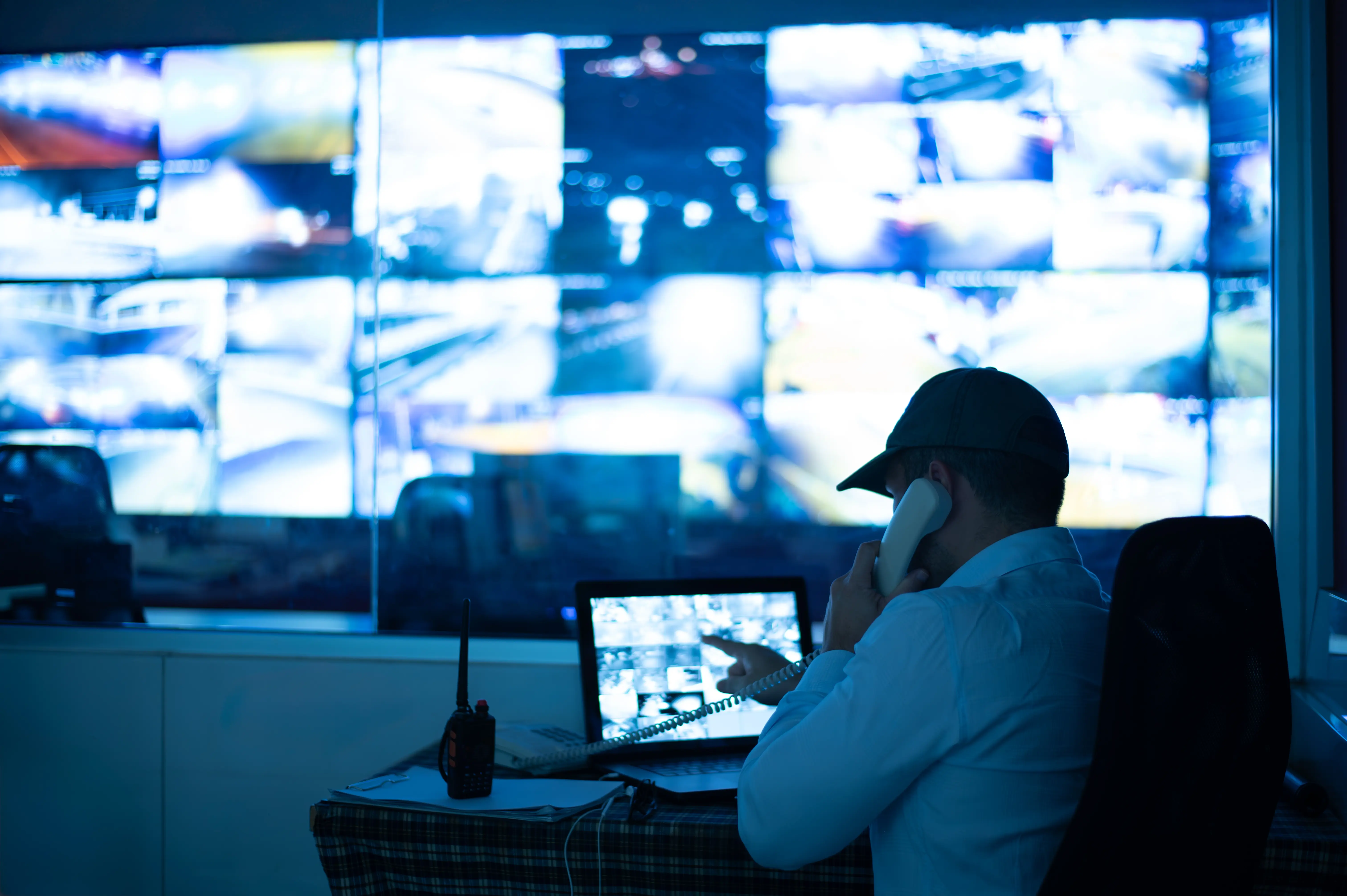
VIDIZMO AI Live Insight leverages the cameras already covering docks, aisles, and intersections rather than requiring new AI-enabled hardware, and runs detection on site. Forklift detection types are trained per engagement on representative footage and then behave like any built-in detection type, with per-camera confidence and severity feeding the same pipeline as the person detections beside them. Zone, line-crossing, crowd, and dwell rules are drawn on each camera's own frame, and every event raises its alert, lands on the timeline, and preserves the clip around the moment, with footage from before the trigger kept so the review shows how the situation developed rather than only its peak. The clips live in the VIDIZMO Nexus portal the deployment works with, under access control and retention policy, which is what makes the near-miss map reviewable evidence when the barrier request goes to capital planning.
A word on camera placement before any pilot, because dock and aisle environments punish assumptions. The camera that watches a dock door for security, mounted above the door looking out, is often the worst possible view for the backing scenario, since the trailer itself occludes the pedestrian path exactly when a truck is working it. The views that serve proximity monitoring look along the pedestrian route rather than along the vehicle route, cover the blind side of the corner rather than the open side, and sit low enough that a person is more than a few dozen pixels. Walking the top intersections with this lens before commissioning, and moving or adding the two or three cameras that the walk exposes, is routinely the highest-value hour of the whole project.
The starting point that proves value fastest is the intersection every supervisor already worries about: two weeks of log-only monitoring there produces the first honest count of how often the worst spot in the plant almost produces its incident.