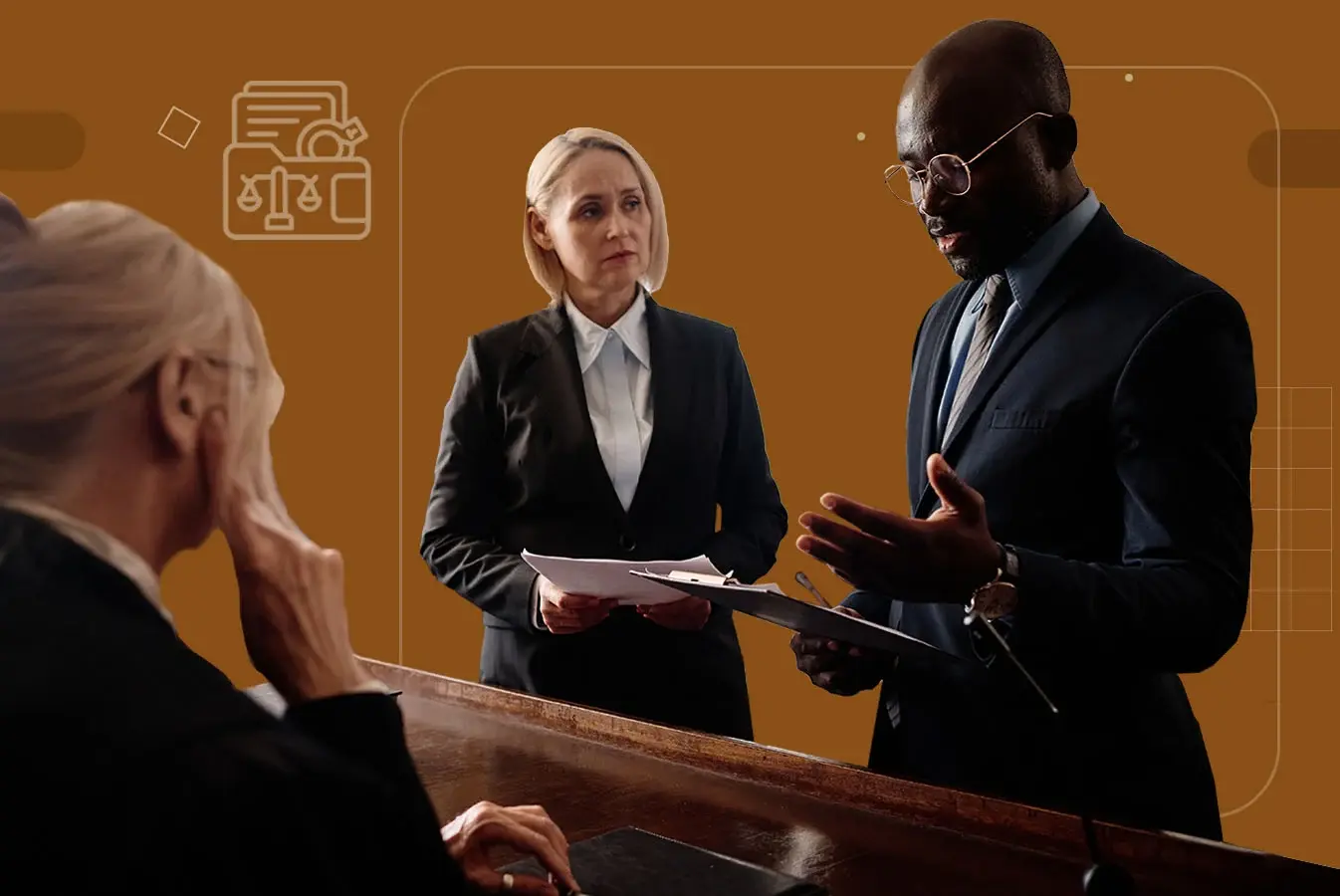
Sharing digital evidence with the defense is a legal and ethical obligation in criminal proceedings. Prosecutors and law enforcement agencies are required to disclose relevant digital evidence to defense attorneys to ensure due process and fair trials. This responsibility is a core part of the broader process of sharing digital evidence securely and compliantly within the justice system.
The nature and scope of digital evidence disclosure may vary by jurisdiction, but the underlying principle remains the same: the defense must have timely access to evidence that will be used at trial, including any exculpatory material.
Sharing Digital Evidence with Defense Attorneys
When a case goes to trial, it's the prosecutor's responsibility to provide the defendant with all the evidence that is going to be used during the trial.
Sharing digital evidence with the defense can prevent any surprises at trial, and sometimes it could be helpful for both sides to resolve the case out of court instead of going through a full trial.
There are various ways through which you can share your digital evidence with your defense attorney. Still, it is hard to share evidence in a secure and compliant environment where you can keep track of your digital evidence.
.png?width=1280&height=575&name=how%20to%20%20share%20evidence%20with%20defense%20cta%201%20(1).png)
What Evidence Should Be Shared With the Defense?
The prosecutor is required to provide evidence that may help the case. Prosecutors are under no obligation to share their theory of the case, known as Attorney Work Product.
The prosecutor is responsible for disclosing all evidence to the Defense because it is part of the prosecutor's job to assemble and present the facts of their case in court.
Prosecutors must also provide exculpatory evidence to the Defense, which could hurt their case. If they do not do this, they may face sanctions by the court.
The prosecutor's job is to show that any defendant is guilty beyond a reasonable doubt. If they have enough evidence against them, they have to ensure they can show this to the court without prejudice or bias.

Consequences Of Withholding Evidence From Defense
In various cases, prosecutors are engaged in the unethical practice of law by withholding exculpatory evidence. The Defense should know what evidence exists against them so that they can rebut it if necessary and disclose anything exculpatory if they know about it.
Withholding evidence from the Defense is unethical and against the law. In such cases, the prosecutor could be disbarred from the practice of law, which happened with many prosecutors; one of them was Deputy District Attorney Troy A. Benson of Santa Clara County.
He allegedly withheld the videotape favorable to the defendant, Augustine Uribe, and attempted to cover it up.
There is one more case where Prosecutor Richard E. Jackson surrendered his law license and was disbarred from law practice when Stanley Mozee and Dennis Allen were proven innocent after spending 15 years behind bars for a crime they didn't commit.
Throughout the trial, the evidence was in the prosecutor's file the whole time.
Method of Sharing Digital Evidence with the Defense
Law enforcement agencies are responsible for preserving digital evidence throughout an investigation so it can be produced during legal proceedings. This includes ensuring that evidence remains intact, accessible, and admissible.
Traditional methods of sharing digital evidence, such as USB drives, CDs, hard drives, or email, present significant risks. These methods lack proper access controls, auditability, and protection against unauthorized copying or tampering.
As digital evidence volumes grow and privacy requirements increase, these outdated methods are no longer sufficient.
Key Considerations Before Sharing Digital Evidence with the Defense
When sharing digital evidence with defense attorneys, security and access control are paramount. The evidence may contain sensitive information, such as personal identifiers, minor witnesses, undercover agents, or other confidential data, that must be protected from unauthorized access or misuse.
Before initiating the sharing process, prosecutors and law enforcement agencies should ensure the following safeguards are in place:
- End-to-End Encryption: Ensure all evidence is encrypted both at rest and in transit using advanced encryption standards (e.g., AES-256). This prevents unauthorized access, even if the data is intercepted or leaked.
- Granular Access Control: Assign access on a need-to-know basis. With role-based access control, only authorized defense attorneys or personnel can view the specific files assigned to them, nothing more.
- IP and Domain Restrictions: Limit access to evidence portals or files based on specific IP addresses or domains. This adds another layer of protection by restricting access to known and approved locations.
- Time-Bound, Tokenized URLs: Share evidence using secure, tokenized URLs that expire after a defined period. This prevents perpetual access and helps maintain control over distribution.
- Separate, Controlled Portals: Create dedicated portals for different parties, defense attorneys, prosecutors, internal affairs, and others. This ensures segregation of access and better tracking of file views or downloads.
- Automated Redaction: Before sharing, use AI-powered redaction to remove personally identifiable information (PII), faces, license plates, and other sensitive elements, helping you stay compliant with regulations like CJIS, GDPR, and HIPAA.
- Chain of Custody Tracking: Maintain an immutable audit trail that logs every action taken on a file, viewed, shared, downloaded, commented, ensuring full accountability and admissibility in court.
By implementing these practices, prosecutors and law enforcement agencies can share evidence with the defense confidently, compliantly, and securely, without compromising privacy or the integrity of their case.
Challenges in Sharing Digital Evidence Securely
Agencies often face practical challenges when sharing digital evidence with the defense, including:
-
Managing large video and audio files
-
Ensuring timely disclosure under tight deadlines
-
Protecting sensitive or confidential information
-
Maintaining a defensible chain of custody
-
Tracking exactly who accessed evidence and when
Without a centralized system, these challenges increase the risk of errors and compliance failures.
VIDIZMO DEMS: A Centralized Software for Evidence Management and Sharing

VIDIZMO Digital Evidence Management System is a complete evidence management solution that provides the full set of options necessary for sharing critical and confidential evidence files with specified law enforcement personnel. A prosecutor needs to share all the digital evidence with the Defense, keeping in mind the security and confidentiality of the evidence. They should provide ease of access to the evidence to the Defense so that Defense can view it any time they want. VIDIZMO helps in:
- Ingesting digital evidence from multiple sources.
- It can be stored on the cloud (government or commercial), as SaaS, or in a data center of your choice.
- Keeping the evidence secure, both at rest and in transit, using AES-256 encryption and DRM
- Preventing any form of tampering with the evidence.
- Integration with your existing systems, including RMS, CMS, or other
- Ability to create separate portals for the public, prosecutors, the Defense, internal affairs, and others
- Integration of AI-based automatic redaction through on-demand face detection, automatic transcription and translation, speech-to-text conversion, and other features
- Provides proper maintenance of a Chain of Custody for each evidence file
- Assign case folders to the respective defense attorney for limited access and other features
- Place annotations in evidence, add comments to files, place metadata tags, and further details
- Provides tools to keep you compliant with frameworks such as GDPR, CJIS, CRoC, FedRAMP, HIPAA, and others.

Ensuring Fair Trials with Secure Digital Evidence Sharing
Sharing digital evidence with defense attorneys is more than a procedural necessity, it's a constitutional requirement that ensures the integrity of the justice system. Prosecutors and law enforcement agencies must provide complete and timely access to all relevant evidence, especially exculpatory materials, to support a fair and transparent legal process.
Traditional methods like USB drives, CDs, or email are no longer secure or efficient enough to handle sensitive digital evidence. Today’s legal environment demands secure, traceable, and compliant solutions that protect privacy, maintain chain of custody, and enable fast, role-based access.
VIDIZMO Digital Evidence Management System (DEMS) offers a centralized platform purpose-built for secure evidence sharing, with advanced features like automatic redaction, role-based access, AES-256 encryption, and full audit trails.
Whether you're preparing for trial, responding to discovery, or ensuring compliance with CJIS, GDPR, or HIPAA, VIDIZMO DEMS helps you protect your evidence, your case, and most importantly, justice.
Ready to modernize your evidence-sharing process? Start your free trial or contact our team to learn how VIDIZMO can help you meet your legal and compliance needs with confidence.

FAQ
Frequently Asked Questions
What is the importance of sharing digital evidence with the defense?
Sharing digital evidence with the defense is essential to ensure fair trials and due process. It allows defense attorneys to review prosecution evidence, identify exculpatory material, and prepare an effective defense, as required under the Brady Rule and other disclosure laws.
What are the legal risks of not sharing digital evidence with the defense?
Failing to share digital evidence with the defense can lead to evidence suppression, mistrials, overturned convictions, and disciplinary action against prosecutors. Withholding exculpatory evidence violates constitutional obligations and can result in sanctions or disbarment.
What is the most secure way of sharing digital evidence with the defense?
The most secure way to share digital evidence with the defense is through a Digital Evidence Management System that supports encryption, role-based access control, audit logs, and expiring links. This ensures confidentiality, preserves chain of custody, and prevents unauthorized access or tampering.
What types of digital evidence must be shared with the defense?
Digital evidence that must be shared with the defense includes body-worn camera footage, surveillance videos, dashcam recordings, audio files, transcripts, photographs, and any digital material relevant to the case, especially evidence that may be exculpatory or impact trial preparation.
Is redaction required before sharing digital evidence with the defense?
Yes. Sensitive information such as personally identifiable information, minors’ identities, or unrelated third parties should be redacted before sharing digital evidence. Redaction helps agencies comply with privacy regulations such as CJIS, GDPR, and HIPAA while protecting individuals’ rights.
What access controls should be in place when sharing digital evidence with the defense?
Access controls should include role-based permissions, time-bound access, IP or domain restrictions, and secure authentication. These measures ensure that only authorized defense attorneys can access assigned evidence files and prevent unauthorized distribution.
How do defense attorneys access shared digital evidence?
Defense attorneys typically access shared digital evidence through secure online portals or expiring, tokenized links. These platforms allow controlled viewing, downloading, and auditing of evidence while maintaining security and chain of custody.
TopicsDigital Evidence ManagementLegal and Privacy
About the author
See how VIDIZMO helps you securely stream, manage, and maximize your video and digital evidence data with compliant, expert solutions.
You may also like
Finding Every Recording a Person Appears In
Some investigations open with the answer already in hand. There is a name, and there is a photograph, taken from a ...
What Analysis Can Still Do With an Incident Already Recorded
A person came to attention on one of your cameras today, and the next question is whether they have been here before. ...
How an Incident on Camera Becomes Known
A camera estate runs unwatched. That is arithmetic rather than a failure of discipline, because a site with a few ...