
by Ali Rind, Last updated: May 15, 2026

Criminal defense work has always been about scrutiny. Every statement, every timestamp, every piece of physical evidence gets tested before it reaches a jury. Digital evidence should be no different, but in practice, it often is.
Body-worn camera footage, surveillance recordings, call intercepts, mobile phone extractions, and forensic images now make up the bulk of prosecution disclosure packages. For defense lawyers navigating evidence management challenges, the volume alone creates a serious problem. A single case might include hundreds of hours of video, thousands of images, and audio files in formats that refuse to play on standard office software. The prosecution has had months to review this material with dedicated tools. The defense gets a hard drive and a deadline.
This article breaks down how a structured digital evidence management system helps criminal defense lawyers review prosecution material more effectively, identify problems in how evidence was handled, and build stronger cases for their clients.
The Disclosure Problem Defense Lawyers Actually Face
The disclosure process in criminal cases has changed dramatically over the past decade. What used to arrive as a box of printed statements and a few DVDs now arrives as terabytes of digital material. Police forces use body-worn cameras as standard. Interview rooms record audio and video simultaneously. Forensic teams extract data from phones, computers, and cloud accounts.
For a large criminal defense firm, this creates three overlapping problems:
Volume without structure. Prosecution disclosure often arrives as a collection of files with cryptic naming conventions, no consistent metadata, and no easy way to cross-reference material across sources. A defense barrister preparing for trial cannot afford to manually scan every file hoping to find the footage that matters.
Format fragmentation. Evidence arrives in proprietary video formats from different camera manufacturers, audio codecs that require specialist players, and forensic image formats that need dedicated viewing tools. Without a platform that handles multiple formats natively, defense teams waste hours converting files before they can even begin review.
Time pressure. Courts set case management timelines. Defense teams receive disclosure and must respond with defense statements, identify unused material requests, and prepare cross-examination, all while managing an active caseload. Manual review at this scale is not just difficult. It becomes a risk to the client's right to a fair trial.
Why General File Storage Falls Short
Many criminal law firms attempt to manage digital evidence with the same tools they use for contract documents. Network drives, cloud storage folders, and email attachments are familiar, but they were never designed for this kind of material.
The problems surface quickly. Video files are too large for email. Shared drives lack audit trails showing who accessed what and when. There is no way to search inside a video recording for a specific word spoken during an interview. And when a case involves sensitive material subject to court orders or confidentiality restrictions, general file storage offers no mechanism to enforce access controls at the evidence level.
A purpose-built digital evidence management system addresses these gaps by treating multimedia evidence as searchable, trackable, and structured data rather than opaque files sitting in folders.
These limitations extend beyond format and storage capacity. Shared folders and manual access logs cannot enforce evidence governance consistently as cases grow in complexity. As digital evidence volumes increase, informal practices create gaps in oversight that are difficult to explain under legal scrutiny. Without controls that operate at the system level, defense teams are left unable to reliably demonstrate who accessed what, when, or why, a problem that surfaces not just when challenging prosecution evidence, but when defending how the defense itself handled case materials.
How Structured Evidence Management Helps the Defense
Searching Through Hours of Footage in Minutes
The single biggest time drain for defense lawyers reviewing digital evidence is video. A client facing serious charges might have 200 hours of body-worn camera footage disclosed against them. Watching all of it at normal speed is impractical. Fast-forwarding risks missing the moment that matters.
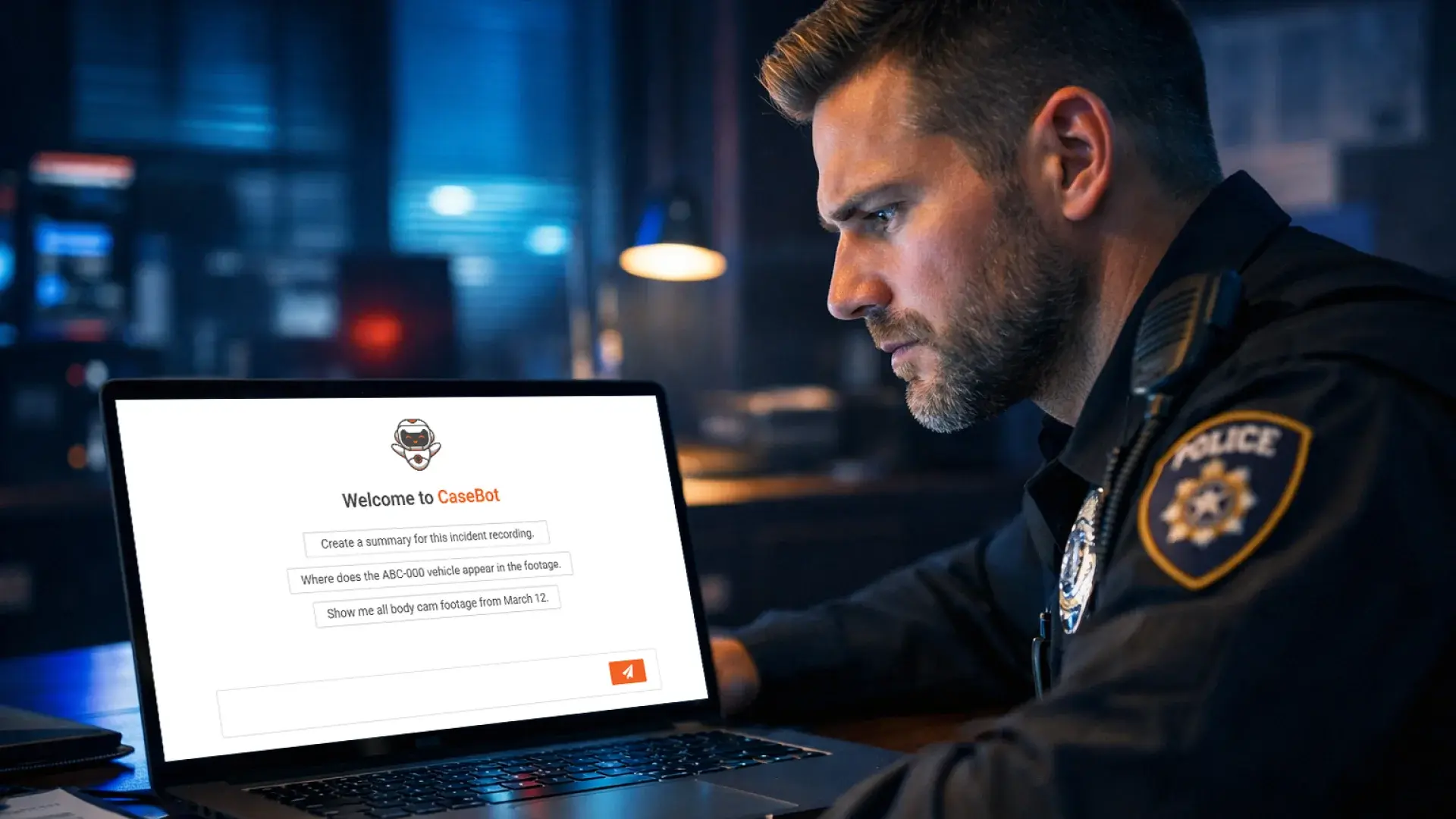
AI-powered transcription changes the equation. When video and audio evidence is automatically transcribed, defense lawyers can search across entire case libraries using specific words, phrases, or names. Looking for the exact moment an officer gave a caution? Search for the words. Trying to find when a witness mentioned a specific location? Type it in. Learn more about how AI transcription makes video evidence searchable.
This is not about replacing careful review. It is about directing attention to the right moments faster, so that detailed analysis can focus where it matters most.
Reconstructing Timelines Across Multiple Sources
Criminal cases often involve evidence from several sources that overlap in time. Body-worn cameras from multiple officers at the same incident, CCTV footage from nearby premises, and in-car recordings from patrol vehicles all capture fragments of the same event.
For the defense, reconstructing what actually happened requires aligning these sources on a shared timeline. A digital evidence management system that supports multi-stream synchronized playback allows defense teams to view footage from different cameras side by side, identifying discrepancies between what different recordings show for the same moment.
This capability is particularly valuable when challenging prosecution narratives. If the prosecution claims a specific sequence of events, the defense can verify whether every available camera angle supports or contradicts that account.
Examining Chain of Custody and Handling
Evidence integrity is foundational to criminal proceedings. If the prosecution cannot demonstrate an unbroken chain of custody, the defense has grounds to challenge admissibility.
A proper evidence management system maintains a complete audit trail for every piece of evidence: who uploaded it, when it was accessed, whether it was modified, downloaded, or shared, and which user took each action. Every event is logged with timestamps, user identities, and IP addresses.
For defense lawyers, this audit trail is both a safeguard and a tool. It allows teams to verify that prosecution evidence was not altered after collection. It also lets defense lawyers check whether evidence was accessed by unauthorized personnel, shared outside approved channels, or handled in ways that breach established protocols.
Understanding how evidence moves between investigators, prosecutors, and courts is essential context. The secure evidence sharing workflow for prosecution offices illustrates exactly how that chain is supposed to work, and where vulnerabilities can emerge.
SHA-256 hash verification provides an additional layer. If the hash of a file at the point of disclosure does not match the hash recorded at ingestion, the defense has objective, technical evidence that the file has been altered.
Courts may examine not only the content of digital evidence but also the manner in which it was handled. Questions about access history, permission levels, and oversight can directly affect how evidence is evaluated. When governance is enforced at the system level, defense teams can produce documented records of every access event rather than relying on recollection, emails, or informal documentation. This matters equally when reviewing prosecution evidence for handling flaws and when demonstrating that defense materials were managed to the same standard the prosecution is expected to meet.
Securing Sensitive Defense Materials
Defense case preparation generates its own sensitive materials: witness statements, expert reports, case strategy notes, and privileged communications. When this material relates to digital evidence, it needs to live alongside that evidence without being exposed to anyone outside the defense team.
Portal-based architecture enables this. A defense firm can operate within its own secure workspace with independent access controls, separate from prosecution or law enforcement portals on the same platform. Role-based access ensures that only authorized team members can view specific case materials, with full audit logging of every interaction.
This matters especially in cases involving multiple defendants with conflicting interests, where evidence segregation between defense teams is legally required.
As cases progress and evidence must be shared with barristers, expert witnesses, or co-counsel, governance controls determine whether that sharing is defensible. A structured platform allows defense teams to grant access only to authorized individuals, adjust or revoke permissions as case needs change, and maintain oversight even when evidence leaves the firm's internal network. Each transition introduces risk if controls are not enforced consistently at the system level rather than tracked manually.
Preparing Evidence for Court Presentation
Presenting digital evidence effectively at trial requires more than pressing play on a laptop. Defense teams need to bookmark specific moments in recordings, annotate evidence with observations, and present material in a format that the court can follow.
A structured evidence management platform supports these workflows: bookmarking and clipping key segments, adding timestamped notes visible only to the defense team, and organizing evidence into a presentation sequence that matches the defense narrative.
When challenging prosecution evidence, the ability to quickly navigate to a specific moment in a recording during cross-examination, rather than fumbling with progress bars, can be the difference between an effective challenge and a missed opportunity.
Ensuring that video evidence is procedurally sound before it reaches the courtroom is equally important. Under Federal Rules of Evidence Rule 901, evidence must be authenticated — the proponent must produce evidence sufficient to support a finding that the item is what it claims to be. The guidance on how to ensure cellphone video evidence is admissible in court is a useful reference for understanding the admissibility standards that defense teams can use to test prosecution material.
What to Look for in a Defense-Ready Evidence Platform
Not every evidence management system serves defense needs equally. Most are built for law enforcement agencies and prosecutors. When evaluating platforms for defense work, look for:
-
Multi-format support. The platform should handle video, audio, images, documents, and forensic file types without requiring manual conversion. Defense teams should not need to chase down proprietary players for different camera manufacturers.
-
Search across media. AI-powered transcription and full-text search across audio and video content, not just metadata and filenames. This is what turns hundreds of hours of footage from a burden into a searchable resource.
-
Granular access controls. Role-based permissions at the portal, case, and evidence level. Essential for multi-defendant cases, legal privilege protection, and compliance with court orders.
-
Audit trail and integrity verification. Complete logging of every action taken on every piece of evidence, with hash-based tamper detection. The defense needs to be able to verify, not just trust, that evidence is intact.
-
Deployment flexibility. Some defense firms handle cases involving classified or government-sensitive material. The ability to deploy on-premises, in a private cloud, or in a government-accredited cloud environment ensures the platform can meet security requirements across case types.
-
Secure external sharing. Time-boxed, access-controlled sharing links for distributing evidence to barristers, expert witnesses, and co-counsel without exposing the entire case library.
For a broader view of evidence management best practices across the criminal justice ecosystem including ingestion, retention, and governance standards, see our guide on digital evidence management best practices for law enforcement.
To overview where digital evidence technology is heading and what capabilities are becoming standard, the digital evidence trends for 2026 is a useful reference point.
How DEMS Supports Criminal Defense Teams
VIDIZMO Digital Evidence Management System provides the capabilities defense lawyers need to work through prosecution disclosure efficiently and build stronger cases. The platform handles ingestion of 255+ file types from any source, including body-worn cameras, CCTV systems, mobile devices, and forensic extractions, without format conversion.
AI-powered transcription across 82 languages enables full-text search through audio and video evidence. Defense teams can search for specific words, phrases, or speakers across an entire case library and navigate directly to the relevant moments.
The platform maintains SHA-256 tamper detection and comprehensive audit trails, giving defense teams the ability to independently verify the integrity and handling history of prosecution evidence. Portal-based architecture with role-based access controls ensures that defense materials remain segregated and privileged.
For trial preparation, DEMS supports multi-stream synchronized playback for comparing footage from different camera angles, evidence bookmarking and annotation, and secure time-boxed sharing with external counsel and experts.
Explore how VIDIZMO Digital Evidence Management System supports legal teams.

About the Author

Jump to

Challenge of Investigating Security Incidents Without Object Detection
How AI Chatbots Are Changing the Way Officers Review Footage

No Comments Yet
Let us know what you think