
Automate and Standardize High-Volume Evidence Analysis
Agentic AI Workflows in VIDIZMO DEMS automate structured evidence processing, including case review support, summarization, and contextual relationship mapping. By applying consistent workflow logic across large evidence sets, agencies can reduce manual effort while maintaining controlled, defensible handling with human oversight.

Reduce Time Spent on Manual Evidence Processing
Digital investigations often require investigators to manually sort files, review large volumes of content, and cross-reference related materials before meaningful analysis can begin. Agentic AI Workflows apply predefined processing logic to automate these preparation steps, reducing repetitive handling to focus on evidentiary assessment, validation, and investigative decision-making.

Accelerate Initial Case Assessment
Early-stage case evaluation depends on quickly understanding what evidence contains and how it is organized. Automated summaries provide structured overviews of files and collections, enabling investigators and analysts to rapidly assess relevance, scope, and potential areas of interest before conducting detailed review.
Identify Connections Across Related Evidence
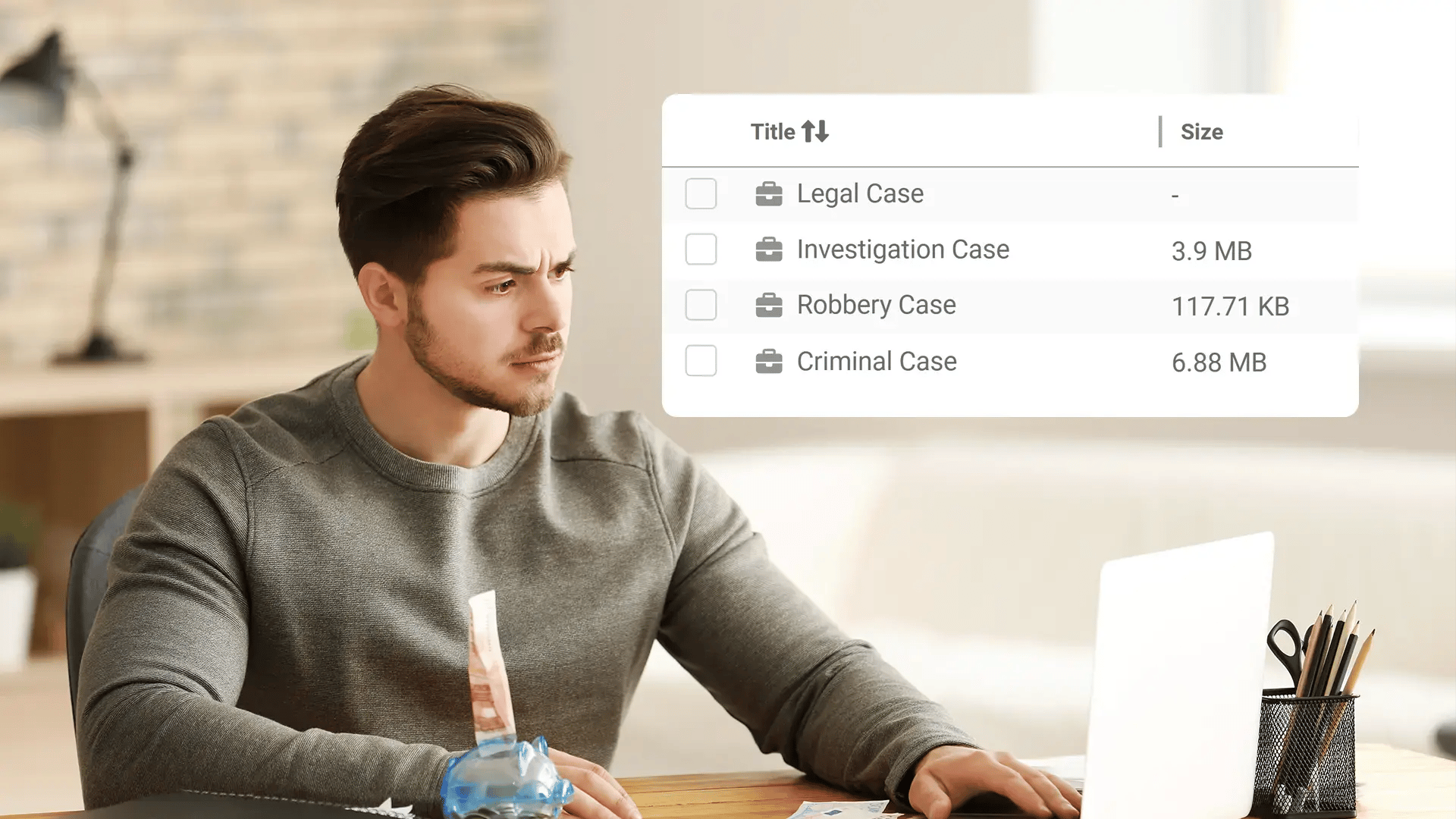
Complex cases often involve materials that are contextually linked across multiple files and data sources. Workflow-driven contextual association highlights these relationships in a structured manner, helping users understand how evidence items relate without relying solely on manual comparison or fragmented review.
Manage Growing Evidence Volumes Efficiently
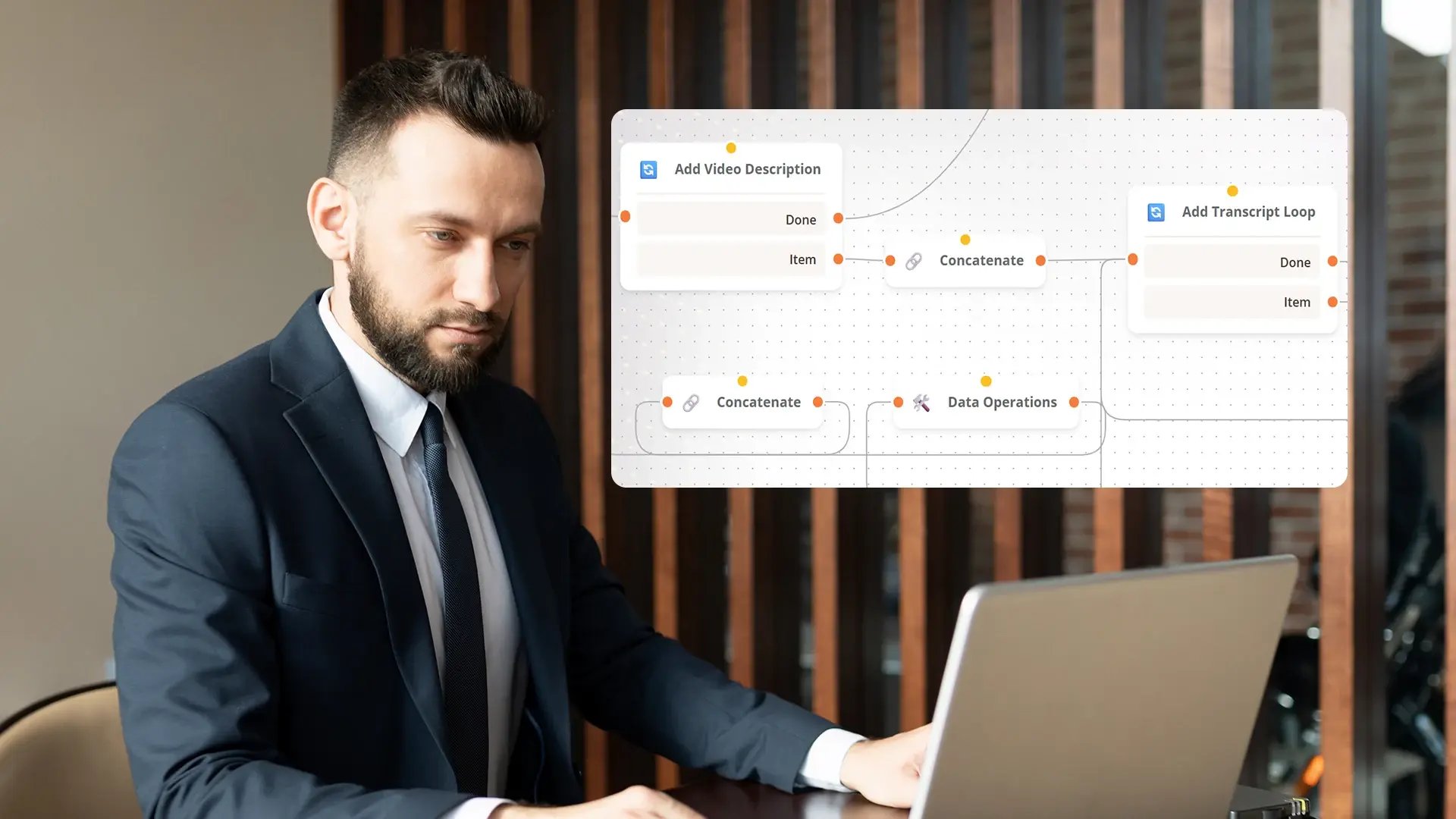
As agencies collect increasing amounts of digital evidence, manual preparation processes can become a bottleneck. Consistent workflow automation supports scalable processing by applying the same structured logic across expanding datasets, maintaining control and predictability as volumes grow.

Ensure Consistent Evidence Preparation Practices
Variations in individual review methods can lead to inconsistent preparation of case materials. By applying standardized workflow logic across investigations, agencies can promote uniform evidence structuring and summarization practices while preserving investigator oversight and accountability.