
How PPE Detection Helps in OSHA Compliance
by Rafey Iqbal, Last updated: May 21, 2026 , ref:
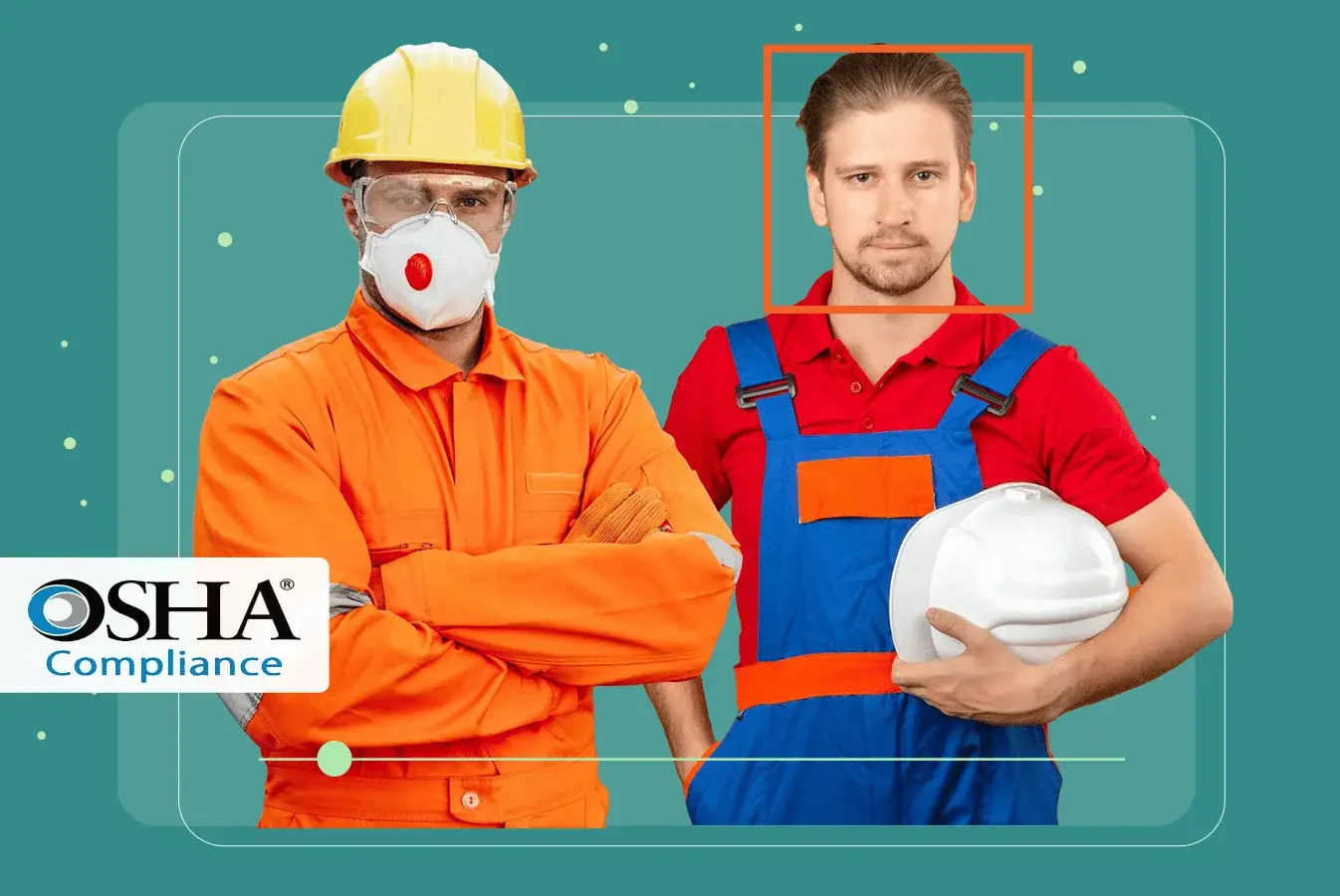
You're a safety manager in a busy manufacturing plant. Your team has worked hard to make sure every employee follows protocol. Then a notice arrives: OSHA cited you for non-compliance because a worker was on the floor without the required gear. The fine is steep, and the question that follows is the hardest one. Could it have been prevented?
This isn't a one-off. It's happening across industries. Penalties are rising, regulations are tightening, and ensuring PPE compliance through manual checks alone is no longer realistic for most operations.
AI-driven PPE detection is changing that. By automating the parts of safety monitoring humans cannot scale, it helps you meet OSHA requirements, lower workplace risk, and keep a clean record without adding headcount.
Why Consistent PPE Compliance Is So Hard to Maintain
Safety compliance carries real weight. OSHA standards are updated regularly, and ensuring every worker follows PPE protocols on every shift is something manual oversight simply was not built for. Safety managers, operations leads, and compliance officers all run into the same set of problems:
- Inconsistent PPE usage: Workers sometimes skip gear in high-pressure moments, especially when production targets are tight.
- Human error in manual monitoring: Safety officers cannot watch every camera, every corridor, every shift. One missed violation can lead to fines, injuries, or fatalities.
- High cost of non-compliance: OSHA's 2026 maximum penalty for serious violations is $16,550 per violation, and willful or repeated violations can reach $165,514 per violation. A single inspection that turns up multiple items can quickly run into six figures.
- Risk of workplace accidents: Without real-time visibility, PPE non-compliance goes unnoticed until something goes wrong. Injuries bring lost productivity, liability claims, and reputational damage.
On top of all this is the paperwork: audit prep, recordkeeping, incident reporting. One gap in documentation can turn a routine inspection into an expensive one.
Are You Losing the Compliance Battle?
If you've invested in PPE training, posted the signage, run the toolbox talks, and still spend the day wondering whether everyone on the floor is geared up correctly, you are not alone. The responsibility sits with you, and the stakes go beyond fines:
And it’s not just about avoiding penalties. It’s about the bigger picture of workplace safety and liability:
- Legal exposure: An unreported violation can lead to lawsuits, and in extreme cases, criminal charges.
- Reputation risk: Companies known for unsafe conditions struggle to win contracts and retain talent.
- Costly downtime: Injuries pull people off the line, delay shipments, and chip away at margins.
OSHA is not going to ease up. Penalties are adjusted for inflation every January, and they have climbed every year since the inflation-adjustment mechanism was modernized in 2016. Companies that lean on manual oversight alone will keep falling further behind the ones that automate.
How PPE Detection Technology Closes the Gap
PPE detection systems use computer vision to do what humans cannot: watch every camera, every minute, without fatigue. Instead of relying on a supervisor walking the floor, the system reviews video feeds and flags compliance issues as they happen.
Here is how it works in practice:
Real-time video analytics:
AI models monitor live video from your worksite and identify whether workers are wearing required gear, such as helmets, gloves, vests, and goggles. Manual spot-checks become a backup rather than the primary line of defense.1
Instant alerts for non-compliance:
When the system identifies a worker without required PPE, it sends an alert to supervisors or pushes the event into your existing incident-reporting system, so corrective action can happen in minutes rather than after the fact.2
Integration with existing infrastructure:
Modern PPE detection works with the cameras you already have. There is no need to rip out and replace your surveillance stack.
Comprehensive reporting:
Automated systems produce time-stamped compliance records that are ready for an OSHA audit. Instead of pulling logs together the night before an inspection, you have a documented trail of every flagged event and how it was resolved.
Benefits of AI-Driven PPE Detection in OSHA Compliance
The following are some of the benefits of automated PPE detection in OSHA compliance:
Reduced Human Error
No more missed violations. While effective, traditional human monitoring can be prone to fatigue, distractions, or simple oversight—especially in environments with long shifts or complex safety requirements. AI-based PPE detection systems are designed to overcome these human limitations, providing continuous, 24/7 monitoring without the risk of exhaustion or error.
These AI systems work tirelessly, capturing every instance of non-compliance and flagging it in real time, significantly reducing the chances of critical safety breaches being overlooked.
Lowered Risk of OSHA Fines
By automatically ensuring workers comply with PPE regulations, you drastically reduce your risk of OSHA penalties. Imagine cutting down on violations simply because your system caught what human eyes missed.
AI-based PPE detection systems provide an added layer of security, ensuring that every safety requirement is met without fail. This proactive approach to compliance helps businesses avoid the hefty fines and reputational damage that can come with OSHA violations, ultimately safeguarding both financial and operational stability.
Improved Workplace Safety Culture
When PPE compliance is consistently enforced, it creates a culture where safety becomes second nature. Workers are more likely to wear their gear when they know there’s continuous monitoring in place. AI-based PPE detection systems help foster an environment where safety is prioritized, and compliance becomes part of the daily routine.
This leads to increased awareness and a collective commitment to safety, ultimately strengthening the overall workplace safety culture. When everyone understands that safety is being actively monitored and enforced, it encourages positive behavior and accountability, making the workplace safer for all.
Higher Productivity and Less Downtime
Fewer injuries mean fewer delays. With an automated PPE detection system in place, your operations run smoother, and the costly downtime caused by accidents is minimized.
Powerful Audit Trail for Compliance
OSHA audits are stressful, but AI-powered systems make compliance data easily accessible. With automated reports, you can provide auditors with everything they need—on demand.
AI-based PPE detection systems generate a comprehensive audit trail that documents compliance activities, making it easy to demonstrate adherence to safety regulations. This level of transparency not only simplifies the audit process but also builds confidence in your safety protocols, ensuring that your organization is always prepared for regulatory reviews.
Don’t Wait for a Violation to Happen
OSHA compliance is not a problem you can defer. Penalty maximums are at record highs for 2026, and enforcement is active in construction, manufacturing, warehousing, and agriculture. Automating PPE compliance with video analytics is not a futuristic upgrade; it is what the industry is moving toward, and the gap between companies that have it and companies that don't is widening.
People Also Ask
PPE detection uses computer vision to analyze video from your existing cameras and identify whether workers are wearing required protective equipment such as hard hats, vests, gloves, and goggles. When the system detects a worker missing required gear, it sends an alert to designated personnel so corrective action can happen in real time rather than after an incident.
The main benefits are continuous monitoring without manual oversight, lower risk of OSHA fines, a stronger workplace safety culture, and a documented audit trail that makes inspections easier to prepare for. Together, these reduce both the financial exposure of a citation and the operational cost of injuries.
For 2026, OSHA's maximum penalty for a serious violation is $16,550 per violation, and willful or repeated violations can reach $165,514 per violation. These amounts are adjusted for inflation each January, and a single inspection that turns up multiple items can quickly run into six figures.
Yes. Most modern PPE detection systems, including VIDIZMO's, work with the cameras and video management systems you already have, so you don't need to replace your surveillance stack to deploy it.
AI-based systems can detect a wide range of protective equipment, including hard hats, safety vests, gloves, goggles, face shields, high-visibility clothing, and respirators. The specific items detected depend on how the model is configured for your industry and worksite.
Yes. PPE detection is used in manufacturing, construction, oil and gas, warehousing, mining, healthcare, food processing, and other sectors where protective gear is required. The same underlying technology adapts to different gear requirements across industries.
By catching non-compliance before it leads to an incident, PPE detection helps prevent the injuries that cause line stoppages, OSHA investigations, and production delays. Fewer incidents also means fewer workers' compensation claims and less time pulling supervisors off productive work.
The system sends an instant alert to designated personnel, such as safety managers, supervisors, or your incident reporting tool, so corrective action can happen immediately. Each event is also logged with a timestamp, which feeds directly into your compliance records.
It generates time-stamped compliance records covering every flagged event and how it was resolved, giving you organized documentation to share with inspectors instead of assembling logs at the last minute. This turns audit prep from a multi-day exercise into a report you can pull on demand.
Footnotes:
1. VIDIZMO does not currently offer PPE detection in live videos.
2. Not available in VIDIZMO.
About the Author

Rafey Iqbal
Rafey Iqbal is a Product Marketing Analyst at VIDIZMO specializing in enterprise video, digital evidence management, and AI redaction technology. He translates complex product capabilities into sharp, practical content that speaks directly to IT leaders, compliance officers, and operations teams.
Jump to
You May Also Like
These Related Stories

ABA Rules of Professional Conduct: What Attorneys Must Know

10 Ways How Computer Vision Services Are Shaping Modern Enterprises


No Comments Yet
Let us know what you think